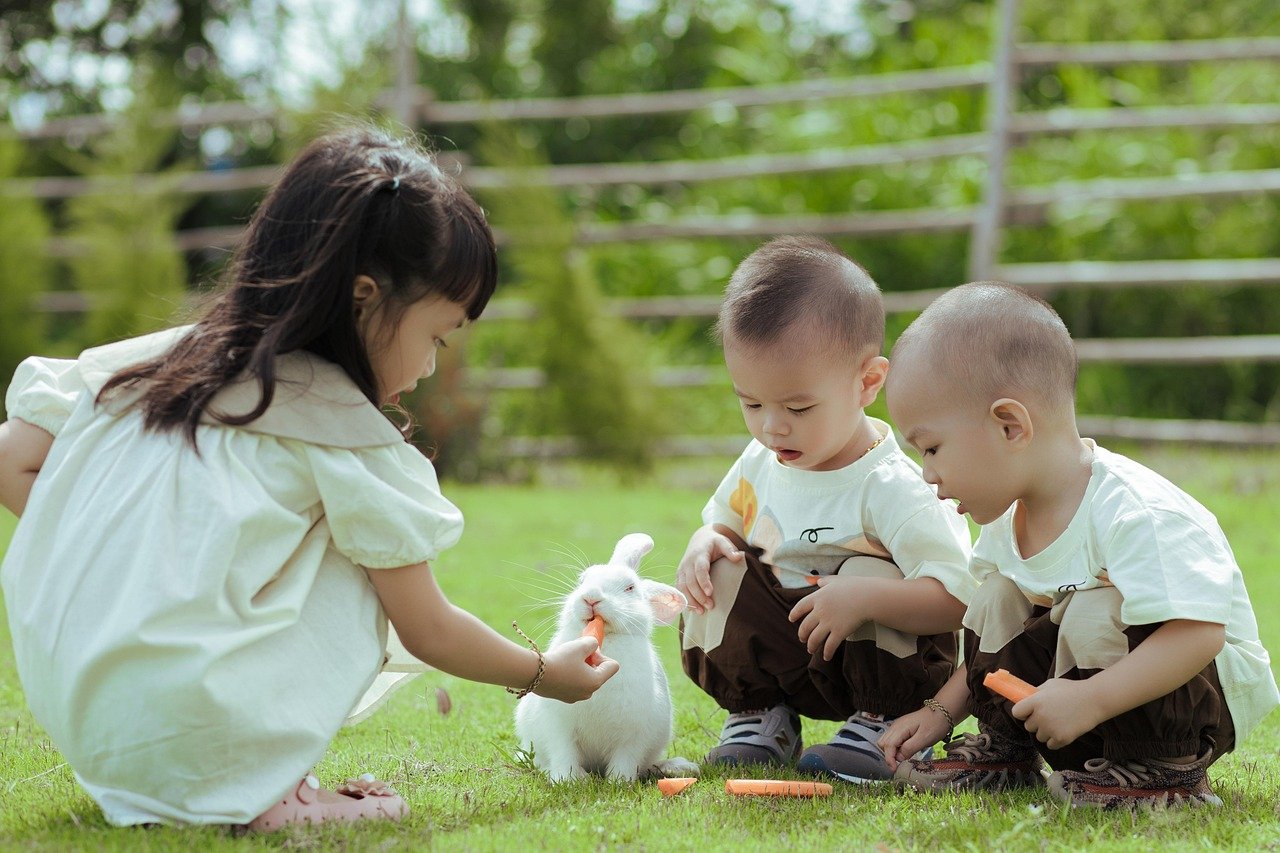
Self control is an important skill that helps children manage their feelings, actions, words, and reactions. It allows a child to pause before acting, wait for something they want, follow simple rules, handle disappointment, and make better choices. Self control does not develop all at once. Children learn it slowly …
Read More »How Parents Can Handle Excessive Arguing With Children
Children often disagree with their parents. They may argue about bedtime, homework, screen time, food, toys, school, or even simple household rules. Occasional disagreement is a normal part of growing up. However, when a child argues about almost everything, refuses simple requests, or turns ordinary conversations into long debates, parents …
Read More »Understanding Why Children Change Their Behavior Around Friends
Children often behave differently when they are with their friends. A child who is quiet and cooperative at home may become very talkative at school. Another child who is usually confident may suddenly become shy when meeting a group of children. Some children may start using different words, copying their …
Read More »How to Help a Child Who Becomes Easily Frustrated
Children can become frustrated for many different reasons. A child may get upset when a game does not go as expected, become angry when homework feels difficult, cry when they cannot explain what they want, or give up quickly when something takes longer than expected. Frustration is a normal part …
Read More »Teaching Children How to React When Someone Teases Them
Teasing is a common experience during childhood. Children may tease each other at school, on the playground, during sports, or even among siblings. Sometimes teasing is meant as a harmless joke, but it can also become hurtful or repeated. For a child, knowing whether to laugh, ignore the comment, speak …
Read More »How Parents Can Help Children Control Impulsive Behavior
Children often act before they think. They may grab something from another child, interrupt a conversation, shout when they are excited, run into unsafe places, or become upset when they have to wait. These behaviors can be difficult for parents, especially when they happen repeatedly. However, impulsive behavior is a …
Read More »Why Children Sometimes Ignore Simple Instructions
Parents often feel confused when a child ignores a simple instruction. A parent may ask a child to put away a toy, come to the table, put on shoes, or stop playing for a moment. The instruction may sound clear and easy, yet the child does not respond. Sometimes the …
Read More »Helping Children Become More Comfortable With New Situations
Children experience many new situations as they grow. They may start a new school, meet unfamiliar people, visit a new place, join a different activity, or spend time away from their parents. While some children quickly adjust to change, others may feel nervous, shy, worried, or uncomfortable. This is completely …
Read More »How Parents Can Respond to Attention Seeking Behavior
Children naturally want attention from their parents. Attention helps them feel loved, safe, important, and connected to the people around them. However, sometimes children may seek attention in ways that are difficult for parents to manage. They may interrupt conversations, make unnecessary noises, argue, complain, repeat the same request, disturb …
Read More »Why Some Children Avoid Talking About Their Feelings
Children experience many emotions every day. They can feel happy when they play with friends, excited when something special happens, disappointed when plans change, and upset when someone hurts their feelings. Although emotions are a normal part of childhood, not every child feels comfortable talking about them. Some children openly …
Read More »
yaort