 yaort
yaort
Related Articles
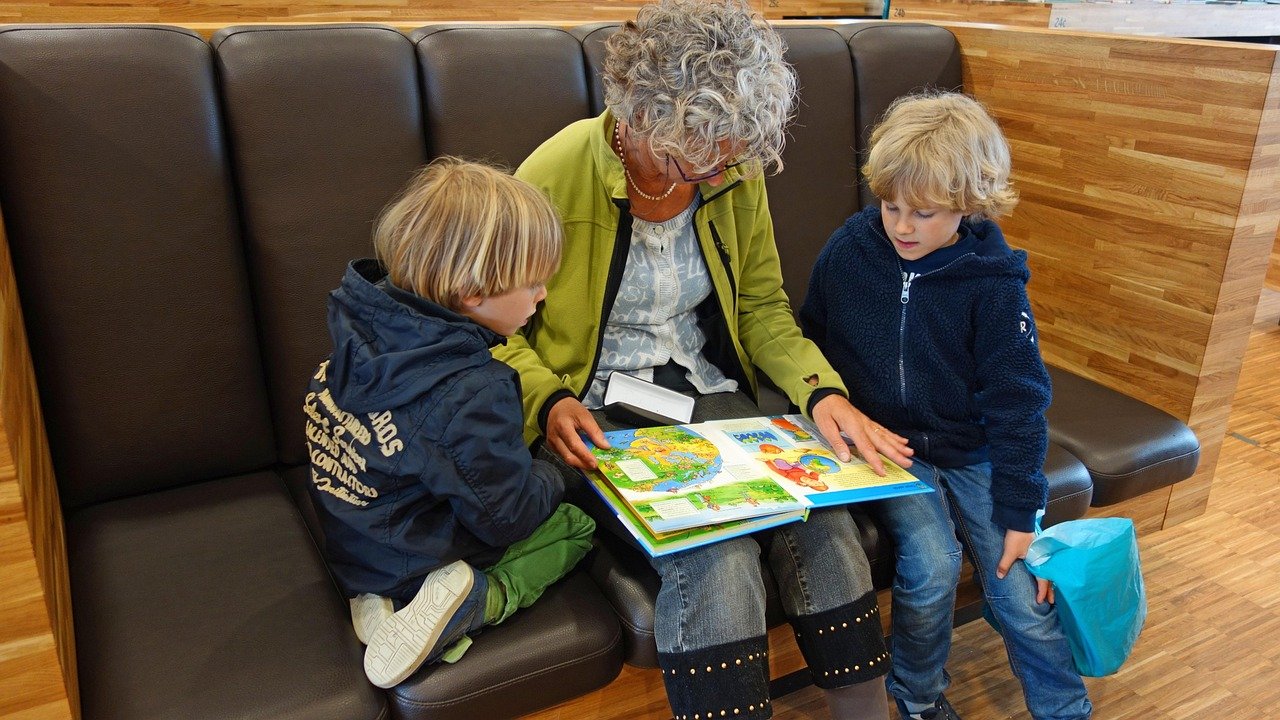
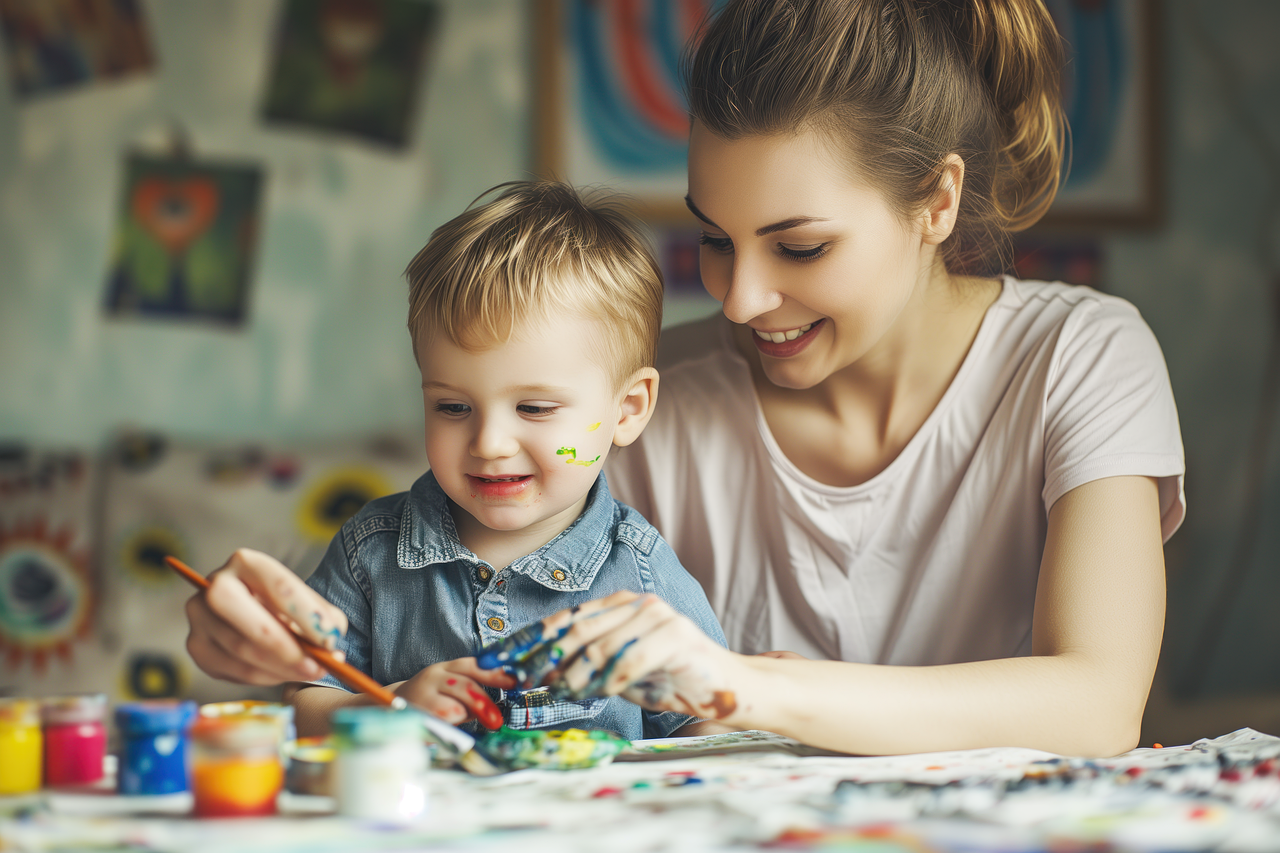
Children learn many important lessons through everyday experiences. While school helps children develop academic knowledge, the home is one of the best places for them to learn practical skills. Simple household activities can teach children how to take responsibility, solve small problems, organize their belongings, communicate with others, and become more confident in their daily lives.
Parents do not need expensive learning materials or complicated activities to teach practical skills. Ordinary tasks such as folding clothes, setting the table, watering plants, preparing simple food, organizing toys, or helping with cleaning can become valuable learning opportunities.
The key is to give children tasks that match their age and allow them to participate safely. When children are trusted with small responsibilities, they begin to understand that their actions matter. They also learn that taking care of a home is something everyone can contribute to.
In this article, we will look at simple household activities that teach children practical skills and explain how parents can make these activities enjoyable and useful.
Why Practical Skills Are Important for Children
Practical skills help children handle everyday situations with greater confidence. A child who learns how to organize personal belongings, prepare a simple snack, or clean up after an activity is developing skills that can remain useful throughout life.
Household activities also teach children that responsibilities are a normal part of family life. Instead of seeing household work only as something adults do, children learn that everyone can help in suitable ways.
These activities can also support decision making. For example, when a child organizes a shelf, they may need to decide where different objects belong. When helping prepare food, they may need to follow instructions in the correct order.
Practical activities can therefore support independence, responsibility, communication, planning, and problem solving.
1. Folding and Organizing Clothes
Folding clothes is a simple activity that can teach several useful skills. Young children can start with easy items such as towels, socks, or small shirts.
Parents can show the child how to fold an item and then allow the child to try independently. It does not matter if the first attempts are not perfect. The main purpose is to help the child understand the process.
Children can also sort clothes by type, family member, or storage area. This introduces basic organization and classification.
As children become older, they can learn to put their own clothes away after folding them. This creates a connection between completing a task and taking responsibility for personal belongings.
2. Setting the Dining Table
Setting the table is another useful household activity for children. Parents can teach children where plates, spoons, forks, glasses, and napkins should be placed.
Younger children can begin by carrying safe and lightweight items. Older children can gradually take responsibility for setting the complete table.
This activity teaches children to follow a sequence. They need to remember what comes first and what comes next. It also helps them pay attention to the needs of other family members.
Setting the table can become a regular family responsibility. When children know that they have an important role before meals, they begin to understand the value of contributing to the household.
3. Organizing Toys
Toy organization is an excellent way to teach children practical skills while also making their play area easier to manage.
Parents can provide simple categories. Cars can go in one place, building blocks in another, and books on a shelf. The categories do not need to be complicated.
Children learn that every item can have a proper place. They also learn that cleaning up after play is part of the activity.
Instead of telling children to clean everything at once, parents can make the task smaller. For example, they can ask the child to put away all the blocks first and then organize the books.
This approach can make household organization feel easier and less overwhelming.
4. Watering Plants
Taking care of plants teaches children responsibility and patience. A child can be given a small watering can and shown how much water different plants need.
Parents can explain that plants need regular care and that too much water may also cause problems. This gives children an opportunity to observe changes over time.
Children can check whether the soil looks dry and help create a simple watering routine.
Plant care also encourages children to notice their surroundings. They may begin observing new leaves, flowers, insects, or changes in the soil.
This makes watering plants both a practical household activity and a simple learning experience.
5. Helping With Simple Food Preparation
Children can learn many practical skills in the kitchen when activities are chosen according to their age.
Young children can wash fruits and vegetables, tear lettuce, mix ingredients, or arrange food on a plate. Older children can learn how to prepare simple snacks while following appropriate safety rules.
Cooking activities teach children how to follow instructions, measure ingredients, maintain cleanliness, and complete tasks in order.
Parents should always supervise activities involving knives, hot surfaces, boiling water, or electrical appliances.
The goal is not to make children responsible for the entire meal. The goal is to give them safe opportunities to learn how food is prepared.
6. Cleaning Their Own Room
Cleaning a bedroom teaches children that personal spaces require regular care.
Children can begin with simple jobs such as putting toys away, arranging books, placing dirty clothes in the correct basket, or making the bed.
A regular cleaning routine can make these tasks easier. Children may initially need reminders, but over time they can begin recognizing what needs to be done without constant instructions.
Cleaning also teaches children that organization is easier when small tasks are completed regularly.
Parents can encourage children by focusing on effort rather than perfection. A child who learns to take responsibility is making progress even if the room is not perfectly arranged.
7. Sorting Laundry
Sorting laundry is a practical activity that can teach children how household routines work.
Children can help separate light and dark clothing when appropriate, identify towels, or place specific items in different baskets.
This activity teaches classification and attention to detail. It also helps children understand that clothes need to be handled differently depending on their type and care requirements.
Parents should decide which parts of laundry are suitable for the child’s age. Young children can help sort items, while older children may gradually learn more about washing and drying clothes under supervision.
8. Making the Bed
Making the bed is one of the simplest daily responsibilities children can learn.
It does not require complicated instructions. Children can learn to straighten the sheet, arrange the blanket, and place pillows properly.
This small task can teach children how to begin the day by completing a responsibility. It also helps them understand that personal spaces need regular care.
Parents should not expect perfect results from young children. The important lesson is consistency and participation.
9. Putting Groceries Away
After grocery shopping, children can help put suitable items away.
Parents can explain where different foods belong. Some items may go into the refrigerator, while others may be stored in a cupboard or pantry.
Children can help carry lightweight items and place them in their assigned areas.
This teaches organization and helps children become familiar with common household routines. It can also encourage children to recognize different foods and understand why some products need special storage.
Parents should keep heavy, fragile, sharp, or unsafe items away from younger children.
10. Cleaning Small Household Areas
Children can help clean small areas of the home using safe tools and appropriate materials.
For example, they might wipe a table with a suitable cloth, clean a small spill, or dust a low shelf.
The activity should always match the child’s age. Strong cleaning chemicals should not be handled by young children.
Simple cleaning tasks teach children that keeping a home comfortable requires regular effort. They also learn that cleaning is not something that only happens when a space becomes extremely dirty.
11. Preparing Their School Bag
Preparing a school bag is a useful activity for developing organization and planning skills.
Children can check their timetable, collect the books they need, pack homework, and make sure important supplies are ready.
Parents can initially help children create a simple checklist. Over time, the child can take more responsibility for checking the bag independently.
This routine can reduce forgotten books and school supplies. More importantly, it teaches children to prepare for the next day instead of waiting until the last moment.
12. Helping With Shopping Lists
Children can participate in making a simple household shopping list.
Parents can ask children to check which common items are running low. Older children can write some items down, while younger children can identify items using pictures or simple names.
This activity introduces planning and observation. Children begin to understand that families need to think ahead before going shopping.
It can also create opportunities to talk about quantities. For example, a family may need several bottles of water but only one package of a particular product.
13. Caring for Personal Belongings
Children can learn to take care of their shoes, school supplies, books, toys, and other personal belongings.
Parents can teach simple habits such as putting shoes in the correct place, keeping books dry, returning toys after use, and storing school supplies properly.
These habits teach children that belongings last longer when they are treated carefully.
Taking care of personal items can also reduce unnecessary waste and help children appreciate the things they already have.
14. Helping With Pet Care
When a family has a suitable pet, children can participate in simple care routines under adult supervision.
Depending on the child’s age and the animal’s needs, this might include filling a water bowl, helping measure food, brushing the animal, or keeping the pet’s area organized.
Parents should remain responsible for important health and safety needs. Children should never be expected to manage an animal’s medical care independently.
Pet care can teach children consistency, patience, and responsibility because animals depend on regular attention.
15. Learning to Organize a Small Shelf
Give children one small shelf or drawer to organize. This can be a useful way to introduce practical organization without making the task too large.
Children can decide where different objects should go and explain their choices.
Parents can ask questions such as, “Which things do you use most often?” or “Where would it be easiest to find this later?”
These questions encourage children to think about convenience and organization rather than simply placing objects randomly.
16. Simple Home Gardening
Home gardening provides many practical learning opportunities.
Children can help place soil into containers, plant seeds, remove dry leaves, or observe plant growth. They can also keep a simple record of when plants were watered.
Gardening teaches patience because plants do not grow instantly. Children learn that some results require regular care over time.
It can also encourage respect for nature and help children understand where some foods come from.
17. Learning Basic Household Safety
Household activities are also an opportunity to teach children about safety.
Parents can explain why children should not touch electrical outlets, sharp tools, hot surfaces, medicines, or cleaning chemicals without adult permission.
Safety lessons should be simple and repeated when necessary.
Instead of only saying “do not touch that,” parents can explain the reason behind the rule in language the child understands. This helps children develop awareness rather than simply memorizing restrictions.
18. Creating a Simple Daily Routine
A daily routine can help children understand how different responsibilities fit into everyday life.
A simple routine might include waking up, getting dressed, putting pajamas away, eating breakfast, preparing a school bag, completing homework, playing, and helping with a household task.
Children do not need every minute of the day planned. A basic structure is usually enough.
Routine teaches children how to manage time and understand that enjoyable activities and responsibilities can exist together.
19. Allowing Children to Solve Small Problems
Parents sometimes complete household tasks quickly because it is easier. However, children also need opportunities to solve small problems themselves.
If a toy is difficult to organize, a child can think about where it should go. If a book does not fit on a shelf, the child can consider another suitable location.
Parents can guide with questions rather than immediately providing the answer.
This teaches children that problems can be approached calmly and solved step by step.
20. Making Household Activities Enjoyable
Children are more likely to participate when household activities feel positive rather than like constant punishment.
Parents can turn simple tasks into routines that involve encouragement and conversation.
For example, folding clothes can become a time for talking. Cooking can become a chance to discuss ingredients. Gardening can become an opportunity to observe nature.
The purpose is not to make every chore into a game. Children should also understand that some responsibilities are simply part of family life.
A positive attitude from parents can make a major difference. When adults treat household responsibilities as normal and valuable, children are more likely to develop the same attitude.
How Parents Can Choose Age Appropriate Household Activities
Every child develops at a different pace, so parents should choose tasks according to ability rather than age alone.
Young children may be able to put toys away, carry lightweight objects, water plants, or help wipe a table.
School age children can often help organize belongings, prepare school bags, sort laundry, set the table, and assist with simple food preparation.
Older children can gradually take on more complex responsibilities, such as preparing simple meals, helping with grocery lists, cleaning larger areas, or learning basic household routines.
Safety should always come first. Parents should supervise activities involving heat, sharp objects, chemicals, electricity, heavy items, or animals.
The Importance of Patience
Teaching practical skills takes time. Children will make mistakes, forget instructions, and sometimes complete tasks differently from adults.
Parents should avoid expecting adult level results immediately.
If a child folds a towel unevenly, the parent does not always need to redo it. If the child organizes toys differently but still keeps the area usable, that can also be acceptable.
The purpose of practical learning is to build confidence and responsibility. Too much criticism can make children afraid to participate.
Simple encouragement such as “You remembered to put your things away” or “You handled that carefully” can help children recognize their own progress.
Final Thoughts
Simple household activities can teach children valuable practical skills without requiring expensive equipment or special lessons. Everyday responsibilities provide natural opportunities for children to learn organization, responsibility, planning, communication, problem solving, and independence.
Activities such as folding clothes, setting the table, organizing toys, watering plants, helping prepare food, cleaning personal spaces, preparing school bags, and caring for belongings may look ordinary, but they can have a meaningful effect on a child’s development.
The most important thing is to give children suitable responsibilities and enough time to learn. Parents can guide them, demonstrate tasks, and provide safe boundaries while allowing children to participate actively.
When children become involved in household life, they learn an important lesson: a home is not simply a place where adults take care of everything. It is a shared environment where every family member can contribute in ways that match their abilities.
These small experiences can gradually prepare children for greater independence as they grow. A child who learns to take care of simple responsibilities today may become a more confident and capable young person tomorrow.
Frequently Asked Questions
What practical skills can children learn at home?
Children can learn organization, cleaning, cooking basics, time management, personal care, responsibility, planning, and problem solving through suitable household activities.
What household chores are suitable for young children?
Young children can often help put toys away, organize books, water plants, fold simple items, set the table with safe objects, and wipe suitable surfaces under supervision.
How do household activities help child development?
Household activities give children opportunities to practice independence, coordination, decision making, responsibility, and problem solving in real situations.
Should parents correct children when they make mistakes?
Parents should correct safety problems and important mistakes, but small imperfections can be part of learning. Giving children reasonable freedom helps build confidence.
How can parents make household activities easier for children?
Parents can divide large tasks into smaller steps, demonstrate each activity, use simple instructions, and gradually give children more responsibility as their skills improve.