 yaort
yaort
Related Articles

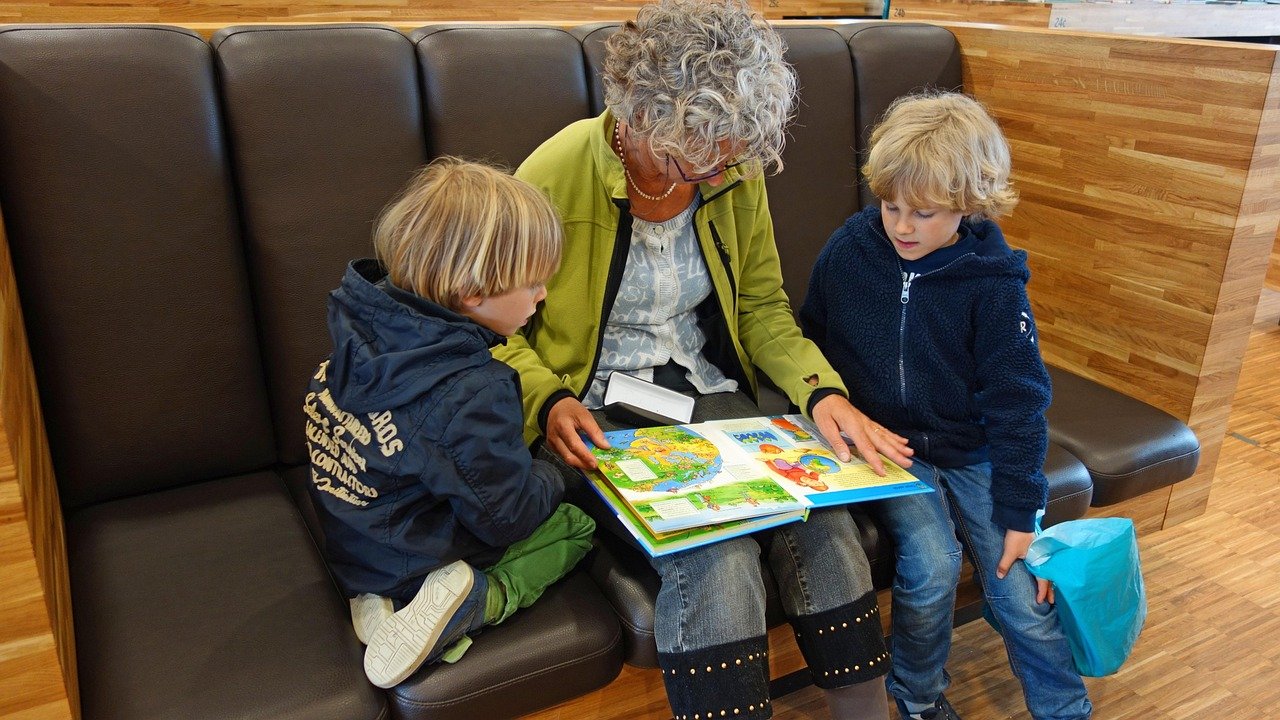

Storytelling has been part of human life for thousands of years. Before books, television, and the internet became common, people shared knowledge through stories. Parents told stories to their children, grandparents shared family experiences, and communities used stories to explain important lessons about life.
For children, storytelling is much more than an enjoyable activity. It can help them understand people, emotions, relationships, nature, culture, and everyday situations. A good story gives children a chance to explore ideas in a way that feels natural and interesting. Instead of simply being told what is right or wrong, children can see how characters experience different situations and make choices.
Storytelling can also support language development, imagination, communication skills, emotional understanding, and critical thinking. When parents regularly read or tell stories to children, they create opportunities for meaningful conversations and learning.
Why Storytelling Is Important for Children
Children learn about the world through observation, conversation, play, and experience. Storytelling adds another useful way of learning. Stories allow children to experience situations that they may not have encountered in real life.
For example, a story about a child starting a new school can help another child understand what it may feel like to meet new classmates. A story about helping an elderly person can introduce ideas about kindness and respect. A story about visiting another country can teach children about different places and cultures.
The important thing is that children can learn without feeling as though they are sitting in a formal lesson.
Stories also make information easier to remember. Children often remember characters, events, and interesting situations for a long time. When an important idea is connected with a story, it can become easier for the child to understand and recall.
Storytelling Helps Children Understand Different People
One of the most valuable benefits of storytelling is that it introduces children to people who may have different lives, experiences, cultures, and beliefs.
Children naturally understand the world from their own point of view. Stories can help them look beyond that personal experience.
A child may read about another child who lives in a rural area, attends a different type of school, or follows different family traditions. This can help the child understand that families and communities do not all live in the same way.
Stories can also introduce children to people with different abilities and backgrounds. When children see characters facing challenges, solving problems, and participating in everyday activities, they can develop greater understanding and respect.
Parents can use these stories as opportunities for simple conversations. They can ask questions such as, “How do you think the character felt?” or “What would you do if you were in that situation?”
These questions encourage children to think about experiences from another person’s perspective.
Storytelling Builds Emotional Understanding
Understanding emotions is an important part of childhood development. Young children may experience feelings such as happiness, anger, fear, sadness, jealousy, or disappointment without knowing how to explain them.
Stories can give these emotions names and meanings.
A character might feel nervous before giving a speech. Another character might feel sad after losing a favorite toy. Someone might become angry after an argument with a friend. When children hear about these situations, they may recognize similar feelings in their own lives.
This can make it easier for children to talk about their emotions.
Parents can pause during a story and ask, “Why do you think she is sad?” or “What could make him feel better?” Such questions help children connect events with emotions.
Over time, children can become better at recognizing feelings in themselves and other people.
Stories Teach Children About Everyday Life
Children need to understand many everyday situations as they grow. Stories can introduce these situations in a safe and simple way.
A story might explain why people wait in line, why we should clean up after ourselves, how to behave when visiting someone, or why it is important to keep promises.
Instead of giving children a long list of rules, parents can use stories to show the results of different choices.
For example, a story may involve a child who forgets to prepare for school and learns that being organized makes mornings easier. Another story may show how helping a friend can improve a difficult situation.
Children can observe what happens when characters make certain decisions. This gives them a practical way to think about their own behavior.
Storytelling Encourages Curiosity
Curiosity is one of the strongest qualities a child can develop. Curious children often ask questions, explore their surroundings, and become interested in learning new things.
Stories naturally encourage curiosity because they create questions in a child’s mind.
What will happen next?
Why did the character do that?
Where does the story take place?
How will the problem be solved?
These questions keep children interested and encourage them to think.
Parents can make storytelling even more interactive by asking children what they think will happen next. This simple activity can turn passive listening into active thinking.
If a story is about animals, children may begin asking questions about real animals. If the story is about space, they may want to learn about planets. If it is about another country, they may become interested in its food, language, or traditions.
In this way, one story can lead to many new areas of learning.
Storytelling Develops Imagination
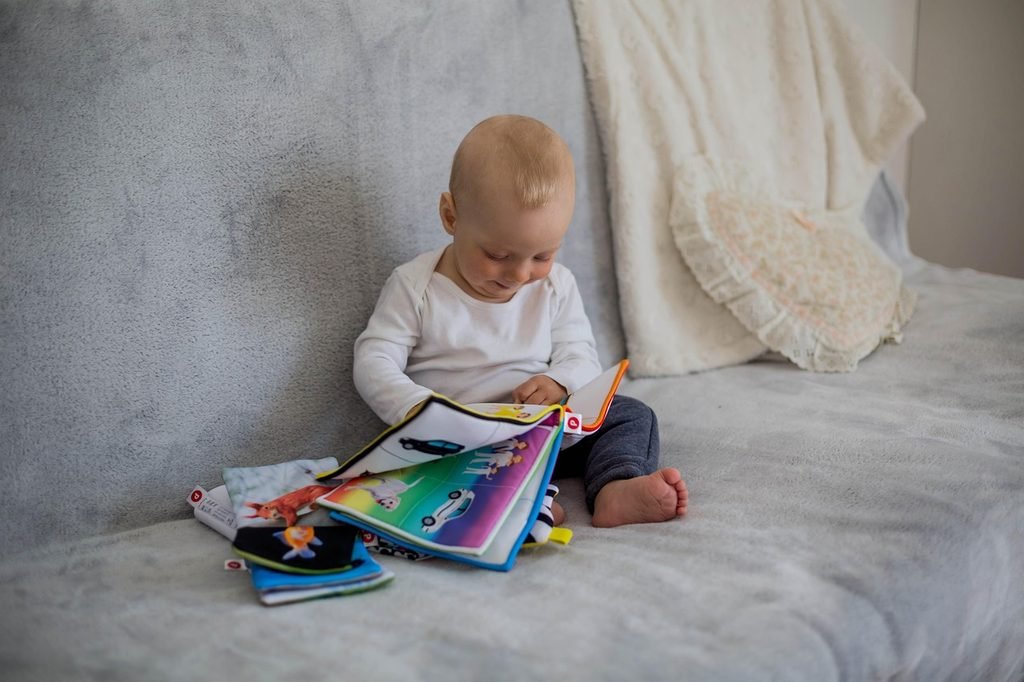
Imagination helps children understand possibilities. When children listen to stories, they create pictures in their minds.
They imagine what characters look like, where they live, and what their surroundings might be like. They imagine sounds, actions, conversations, and events.
This mental activity helps children develop creative thinking.
Imagination is not only useful for creative activities. It can also help children think about different solutions to problems. If a character has a difficult situation, a child can imagine several ways to solve it.
Parents can encourage this by asking open questions.
“What would you do?”
“Can you think of another ending?”
“What could the character try next?”
There may not be one correct answer. The goal is to encourage children to think freely and explain their ideas.
Stories Help Children Learn About Nature
Storytelling can also help children understand the natural world.
A story about a bird searching for food can introduce basic ideas about animals and their surroundings. A story about a farmer can show where food comes from. A story about rain can help children think about weather and water.
Nature based stories can make the environment feel more familiar and interesting.
After reading a story about plants, parents can take children outside and look at leaves, flowers, or trees. After a story about insects, they might observe insects in the garden.
This connection between stories and real life can make learning more meaningful.
Storytelling Supports Language Development
Children learn new words naturally through stories. They hear sentences, descriptions, conversations, and expressions that may not appear in everyday conversation.
For example, a story may introduce words related to weather, travel, feelings, animals, food, or places.
When children hear these words repeatedly in meaningful situations, they can begin to understand how the words are used.
Storytelling also gives children opportunities to practice speaking. Parents can ask children to describe their favorite character, explain what happened, or retell the story in their own words.
Retelling is particularly useful because children must remember events and organize them in the correct order.
Even a short daily storytelling session can provide valuable language practice.
Stories Teach Problem Solving
Many good stories contain a problem that a character needs to solve. This structure can teach children how to think about challenges.
A character may lose something important, have a disagreement with a friend, face a difficult decision, or need to find a creative solution.
Children can think about the problem before learning the ending.
Parents can stop the story and ask, “What do you think the character should do?”
This encourages children to consider possible solutions.
Parents can then discuss whether the character made a good choice and why.
Such conversations help children understand that problems can have more than one possible solution and that choices often have consequences.
Storytelling Helps Children Understand Cause and Effect
Understanding cause and effect is an important part of learning. Children need to understand that actions can produce results.
Stories make cause and effect easier to see.
A character may forget an important task and face a problem later. Another character may practice something regularly and improve. Someone may help another person and receive help in return.
These examples show children that events are connected.
Parents can ask questions such as, “What caused the problem?” and “What happened because of that choice?”
These simple questions help children look beyond individual events and understand relationships between actions and results.
Stories Introduce Culture and Family Traditions
Every family has its own history, traditions, celebrations, and memories. Storytelling can help children understand and appreciate these things.
Parents can tell children stories about their childhood, grandparents, family celebrations, or important family experiences.
These stories give children a sense of connection with the people who came before them.
Children may become interested in where their family came from, what life was like in the past, and how things have changed.
Stories about different cultures can also teach children that people around the world have many different traditions.
This can encourage respect and appreciation for cultural differences.
Storytelling Can Improve Parent Child Communication
Modern family life can become busy. Parents may have work, household responsibilities, and many other tasks. Children also have school, activities, homework, and friendships.
Storytelling provides a simple opportunity to slow down and communicate.
A parent does not need expensive materials or special equipment. A short story before bedtime can create a calm moment for conversation.
Children may also feel more comfortable discussing their own experiences after talking about a character.
For example, after hearing a story about friendship problems, a child might begin talking about something that happened at school.
This is one reason storytelling can be a valuable part of family life.
How Parents Can Make Storytelling More Effective
Parents do not need to be professional storytellers. The most important thing is to make the experience engaging and comfortable.
Choose stories that match the child’s age and interests. Younger children may enjoy simple stories with familiar characters and clear events. Older children may enjoy stories with more complex problems and characters.
Use different voices when appropriate. Facial expressions and simple gestures can also make stories more interesting.
Ask questions during and after the story, but do not turn every story into a test.
Allow children to share their own ideas. If they want to change the ending or imagine a different solution, encourage them.
Parents can also invite children to create their own stories. Give them a simple starting point and let them decide what happens next.
Let Children Tell Their Own Stories
Children should not only listen to stories. They should also have opportunities to become storytellers.
Ask a child to describe something interesting that happened during the day. Encourage them to tell a story about a drawing they made or a game they played.
Parents can also give children simple story starters.
“One morning, a little bird found something unusual…”
“A child opened an old box and discovered…”
“One day, the family visited a place they had never seen before…”
These activities encourage imagination and communication.
Children may make mistakes while telling stories. That is completely normal. The purpose is to help them express ideas rather than produce perfect sentences.
Storytelling Can Help Children Understand Difficult Situations
Some experiences can be difficult for children to understand. Changes in the family, moving to a new place, starting school, losing a pet, or dealing with friendship problems can create strong emotions.
Age appropriate stories can help children understand these situations.
A character facing a similar experience can show children that difficult feelings are normal and that people can find ways to cope.
Parents should still talk openly with children about serious situations. Stories should support communication rather than replace it.
The best approach is often to use a story as a starting point for a gentle conversation.
Storytelling and Critical Thinking
Stories do not have to give children every answer. Sometimes it is better to let children think about what happened.
Parents can ask questions about the characters’ choices.
“Was that a good decision?”
“Could the character have done something differently?”
“Why do you think the character acted that way?”
“What might happen if the character chooses another option?”
These questions encourage children to examine information rather than simply accept it.
This kind of thinking can become useful in school and everyday life.
Making Storytelling Part of a Child’s Routine
Storytelling does not need to take a long time. Ten or fifteen minutes can be enough to create a meaningful routine.
Parents can tell stories before bedtime, during quiet afternoon time, or while traveling.
Reading books together is another excellent option. Parents can take turns reading pages with older children. Younger children can look at pictures and talk about what they see.
The important thing is consistency.
A regular storytelling routine can become something children look forward to. It can provide both learning and emotional connection.
Final Thoughts
Storytelling can help children understand the world around them in a simple and enjoyable way. Through stories, children can learn about emotions, people, nature, culture, relationships, choices, and everyday experiences.
Stories allow children to explore situations that they may not have experienced themselves. They can see characters face problems, make decisions, experience emotions, and discover solutions.
At the same time, storytelling supports language development, imagination, communication, curiosity, and critical thinking.
Parents do not need expensive resources to make storytelling part of family life. A book, a personal family memory, or an imaginary story can be enough.
The most valuable part is the conversation that follows. When parents listen to children’s ideas and encourage them to ask questions, stories become more than entertainment. They become a simple way for children to explore life and understand the world around them.
A few minutes of storytelling each day can create lasting memories while helping children become curious, thoughtful, confident, and understanding individuals.