 yaort
yaort
Related Articles
Observation is an important skill that children use every day. From noticing small changes around them to understanding what people are saying and learning new things at school, good observation skills help children make sense of the world. A child who learns to observe carefully can often understand situations better, remember details more easily, and solve problems with greater confidence.
Observation skills do not develop only through classroom lessons. Parents can help children strengthen these skills through simple activities at home, during outdoor walks, while reading books, and during everyday conversations. The best part is that these activities do not need expensive toys or special equipment. A little patience and regular practice can make a meaningful difference.
In this article, we will discuss practical ways parents can help children develop better observation skills and explain why careful observation is important for learning and everyday life.
Why Observation Skills Are Important for Children
Observation means paying attention to what we see, hear, touch, smell, and sometimes even taste. It involves noticing details and understanding what those details mean.
Children with stronger observation skills may find it easier to follow instructions, recognize patterns, remember information, and understand their surroundings. Observation also supports other important abilities such as concentration, memory, communication, and problem solving.
For example, when a child observes how a plant changes over several days, they are not simply looking at the plant. They are noticing changes in size, color, leaves, and growth. This simple activity can encourage curiosity and early scientific thinking.
Good observation skills can also help children become more independent. When they learn to look carefully before asking for help, they may discover solutions on their own.
Encourage Children to Notice Small Details
One of the easiest ways to improve observation skills is to encourage children to notice details.
Parents can choose an ordinary object in the home and ask the child to describe it. It could be a cup, a toy, a book, or a piece of clothing. Instead of asking only what the object is, ask questions about its color, shape, size, texture, and design.
For example, parents might ask, “What do you notice about this cup?” The child may say that it is blue. Parents can continue by asking whether it has a handle, whether its surface is smooth, or whether there are any pictures on it.
These small questions encourage children to look more carefully instead of giving the first answer that comes to mind.
Play Observation Games
Observation games can turn learning into an enjoyable family activity. Children usually learn better when they are having fun.
One simple game is to place several objects on a table and give the child a few moments to observe them. Then cover the objects and remove one item. Ask the child which object is missing.
Another activity is to change something in the room and ask the child to find the difference. A chair can be moved, a cushion can be placed somewhere else, or a small decoration can be changed.
These games encourage children to remember details and compare what they saw before with what they see now.
Parents can gradually make the games more challenging as the child’s observation skills improve.
Read Picture Books Together
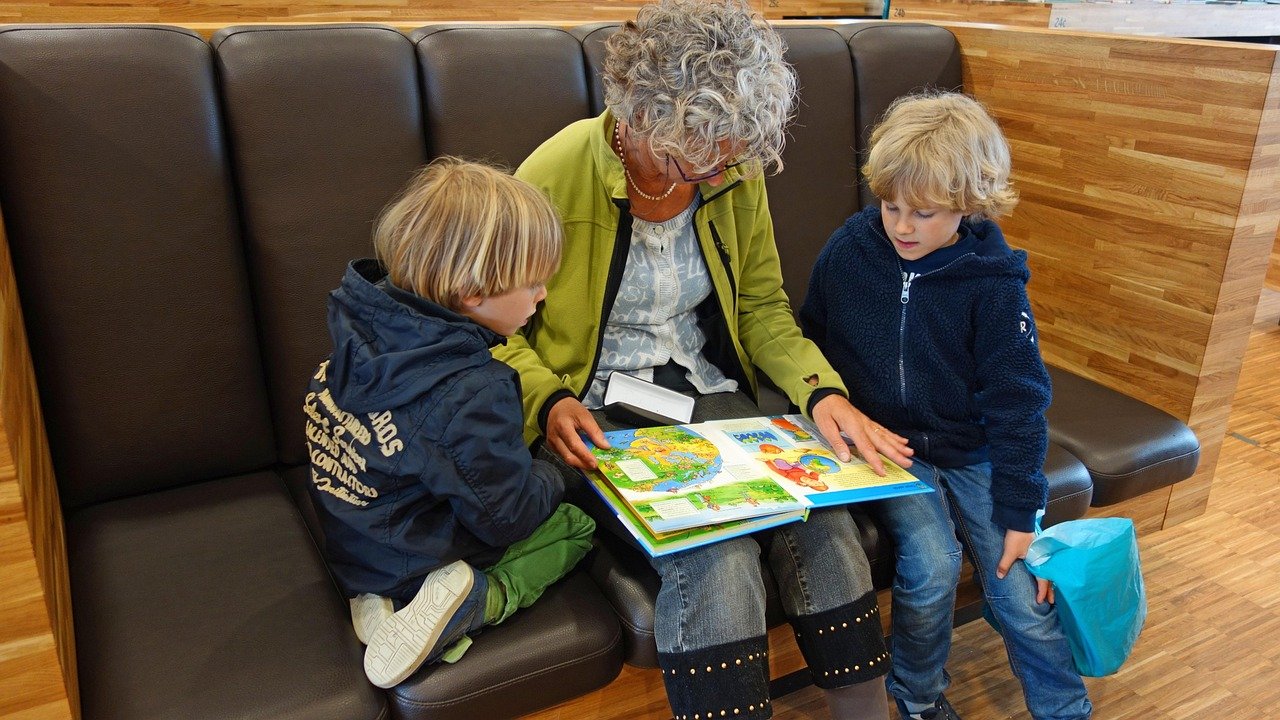
Picture books are excellent tools for developing observation skills in children. Instead of quickly turning each page, parents can pause and discuss the pictures.
Ask children what they can see in the picture. Encourage them to identify people, animals, objects, colors, and activities.
Parents can also ask questions such as, “What do you think happened before this picture?” or “What do you think will happen next?”
These questions encourage children to look for clues in the illustrations. They also connect observation with imagination and logical thinking.
Reading together regularly can therefore support both observation and language development.
Take Children on Nature Walks
Outdoor activities provide many opportunities for children to practice observation.
During a walk, parents can encourage children to notice different types of trees, flowers, birds, insects, clouds, rocks, and changes in the weather.
Instead of simply walking from one place to another, make the walk an observation activity. Ask children to find something green, something small, something moving, or something they have never noticed before.
Parents can also encourage children to compare different leaves or notice how the surroundings change between morning and evening.
Nature observation helps children slow down and pay attention to the details around them.
Ask Open Ended Questions
The type of questions parents ask can have a strong effect on children’s observation skills.
Questions that can be answered with only yes or no do not always encourage detailed thinking. Open ended questions give children more opportunities to describe what they notice.
Instead of asking, “Is the flower red?” parents can ask, “What colors do you see in the flower?”
Instead of asking, “Is the room clean?” ask, “What things do you notice in the room?”
Such questions encourage children to observe first and explain what they have seen.
Encourage Drawing and Coloring
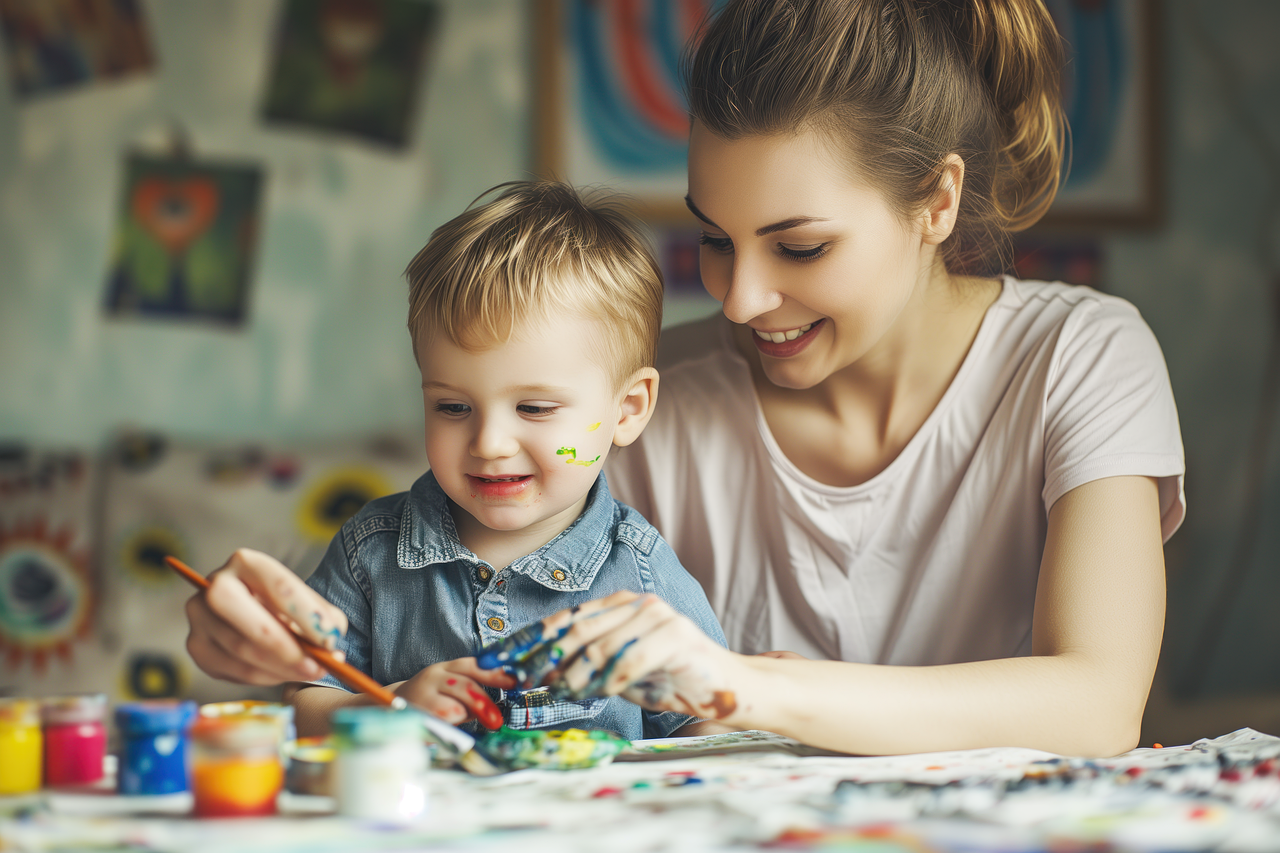
Drawing is another simple way to strengthen observation skills. Parents can give children an object and ask them to draw what they see.
The purpose is not to create a perfect drawing. The main goal is to encourage the child to look closely at the object.
For example, if a child is drawing a fruit, they may notice its shape, small marks, color variations, and texture. These details may not be obvious when the child is simply looking at the fruit.
Coloring activities can also encourage children to notice different shades and patterns.
Parents should focus on the child’s effort rather than judging the quality of the drawing. Positive encouragement makes children more willing to observe and try again.
Let Children Help With Everyday Tasks
Daily household activities can become useful observation exercises.
When preparing food, parents can ask children to notice how ingredients look before and after cooking. During cleaning, children can be encouraged to identify which areas need attention.
While organizing books, parents can ask children to group them according to size, color, or subject.
These activities teach children that observation is not only something used in school. It is a practical skill that can be useful in everyday life.
Teach Children to Compare Things
Comparison is closely connected with observation. When children compare two things, they have to look for similarities and differences.
Parents can give children two objects and ask them to explain what is the same and what is different.
The objects could be two leaves, two toys, two cups, or two pictures.
For younger children, parents can begin with simple differences such as color and size. Older children can look at more detailed features.
This activity improves attention and helps children become more comfortable with careful examination.
Practice Listening Observation
Observation is not limited to vision. Listening is also an important part of understanding the world.
Parents can help children develop listening observation by playing simple sound games. Ask children to close their eyes and identify sounds around them.
They may hear a fan, a bird, a vehicle, running water, or someone speaking in another room.
Parents can also read a short story and ask children questions about what different characters said or did.
Good listening skills help children follow instructions, understand conversations, and participate more confidently in school activities.
Encourage Children to Notice Changes
Children can improve their observation skills by regularly looking for changes.
Parents can choose something that changes naturally over time, such as a plant. Ask the child to observe it every few days.
The child can notice new leaves, changes in height, changes in color, or the appearance of flowers.
Another option is to observe the weather. Children can record whether the sky is clear, cloudy, windy, or rainy.
Noticing changes teaches children that careful observation often requires patience. Some things cannot be understood by looking only once.
Use Puzzles and Matching Activities
Puzzles can be helpful for developing attention to detail. Children need to examine shapes, colors, and patterns to determine where pieces belong.
Matching games can also encourage careful observation. Children can match pictures, shapes, colors, or objects.
Parents should choose activities that are appropriate for the child’s age. If an activity is too difficult, children may become frustrated. If it is too easy, they may lose interest.
The goal is to provide a small challenge while keeping the activity enjoyable.
Encourage Children to Describe What They See
Description is a powerful observation exercise.
Parents can show children a picture and ask them to describe it in their own words. Encourage them to mention as many details as possible.
For example, instead of saying, “I see a park,” a child might explain that there are trees, children playing, a person walking a dog, and clouds in the sky.
Parents can gently encourage more details by asking, “What else do you notice?”
This practice improves observation while also supporting vocabulary and communication skills.
Avoid Rushing Children
Children need enough time to observe properly. Sometimes adults ask a question and expect an immediate answer. However, careful observation can take time.
Parents can give children a few quiet moments before expecting an answer.
If a child cannot identify something immediately, avoid giving the answer too quickly. Instead, provide a small clue and allow the child to continue looking.
This teaches children that it is acceptable to slow down and examine something carefully.
Make Observation Part of Travel
Family trips can provide excellent opportunities to practice observation.
During a car ride, parents can ask children to notice different types of buildings, road signs, trees, vehicles, or landscapes.
At a park or museum, children can be encouraged to find specific objects or notice unusual details.
Travel observation can also help children understand differences between places. They may notice that one area has different buildings, plants, roads, or traditions than another.
This makes observation a natural part of exploring the world.
Create a Simple Observation Journal
Older children may enjoy keeping an observation journal.
They can write or draw something they noticed each day. It could be a bird outside the window, a change in the weather, a new flower in the garden, or something interesting at school.
The journal does not need to be complicated. A few sentences and a small drawing are enough.
Over time, children can look back at their entries and notice changes that they might otherwise forget.
This activity connects observation with writing and memory.
Encourage Questions and Curiosity
Curiosity and observation often work together. When children notice something interesting, they may naturally ask questions.
Parents should encourage these questions rather than dismissing them.
If a child asks why leaves change color, parents can explore the answer together. If they notice an unusual insect, they can observe it from a safe distance and learn more about it.
Parents do not need to know every answer. Saying, “Let’s find out together,” can teach children that observation is the beginning of learning.
Limit Distractions During Observation Activities
Modern children are surrounded by many distractions. Phones, television, games, and constant notifications can make it harder to focus.
Parents can create short periods when children focus on one activity without unnecessary distractions.
This does not mean removing all technology. Instead, it means creating a healthy balance.
A ten minute activity where a child carefully observes a plant, picture, object, or outdoor scene can be more useful than a long activity where the child keeps losing attention.
Praise Careful Observation
Positive encouragement can motivate children to continue developing their skills.
When a child notices something that others missed, parents can recognize the effort. Simple comments such as, “You noticed that very carefully,” can build confidence.
Parents should avoid comparing one child with another. Every child develops at a different pace.
The goal is to encourage progress rather than perfection.
Connect Observation With Problem Solving
Observation becomes even more useful when children learn how to use what they notice.
Parents can give children small everyday problems and ask them to look for clues.
For example, if a toy is missing, instead of immediately finding it for the child, ask where they last saw it and what they remember about that area.
This teaches children to observe, remember, and think logically before reaching a conclusion.
Be a Good Example
Children often learn by watching their parents. If parents regularly pay attention to details, children are more likely to develop the same habit.
Parents can demonstrate observation during everyday situations.
For example, while walking outside, a parent might say, “I noticed that the tree has new flowers today.” This shows children how adults observe changes.
Parents can also talk about what they notice while cooking, shopping, traveling, or spending time outdoors.
Observation becomes more natural when children see it being used in real life.
Make Practice Regular and Enjoyable
Observation skills improve through regular practice. Parents do not need to organize a special lesson every day.
Small activities can be included naturally in family life.
A few minutes of picture discussion during reading, noticing birds during a walk, playing a memory game, or discussing changes in a plant can provide valuable practice.
The most important thing is consistency. Children should experience observation as something interesting rather than as another school assignment.
Final Thoughts
Helping children develop better observation skills does not require complicated activities. Simple conversations, games, books, outdoor walks, drawing, puzzles, and everyday household tasks can all provide useful opportunities.
Parents can support children’s observation skills by encouraging them to slow down, notice details, ask questions, compare things, and explain what they see and hear. With regular practice, children can become more attentive and confident in the way they understand their surroundings.
Good observation skills can support many areas of childhood development. They can help children with memory, communication, concentration, learning, and problem solving.
Most importantly, parents should make the process enjoyable. When children are encouraged to explore and discover instead of feeling pressured to give perfect answers, they are more likely to become curious and attentive learners.
A child who learns to observe carefully is learning more than how to notice small details. They are learning how to pay attention to the world, think about what they discover, and use that information to understand new situations. That is a valuable skill that can continue helping them throughout childhood and later in life.