 yaort
yaort
Related Articles
Children learn and grow through many different experiences. While school, books, educational activities, and family conversations are important, outdoor experiences also play a major role in healthy childhood development. Simple activities such as walking in a park, playing with a ball, riding a bicycle, gardening, exploring nature, or spending time in an open space can give children opportunities that are difficult to provide indoors.
Outdoor activities allow children to move their bodies, make decisions, observe their surroundings, interact with others, and discover new things. These experiences can support physical growth, emotional development, social skills, confidence, creativity, and thinking abilities.
Parents do not need expensive equipment or special programs to provide meaningful outdoor experiences. A safe garden, nearby park, open playground, or even a short family walk can become a valuable learning environment.
This article explains how outdoor activities support children’s natural development and why regular outdoor time can become an important part of a child’s daily life.
What Is Natural Development in Children?
Natural development refers to the gradual growth of a child in different areas of life. It includes physical abilities, thinking skills, communication, emotional control, social relationships, independence, and confidence.
Children do not develop these skills only by sitting in a classroom. They also learn through movement, observation, play, experimentation, and everyday experiences.
Outdoor environments provide many opportunities for this type of learning. A child may learn balance while riding a bicycle, problem solving while building something with natural materials, communication while playing with friends, and patience while caring for plants.
The important point is that outdoor play does not have to feel like formal education. Children can learn naturally while having fun.
Outdoor Activities Encourage Physical Development
One of the clearest benefits of outdoor activities is their effect on physical development. Children need regular movement because their bodies are growing and changing.
Running, jumping, climbing, walking, throwing, catching, and balancing all require children to use different muscles and coordinate their movements.
For example, when children play on a playground, they may climb steps, balance on equipment, swing, run around, and jump. These simple actions help them practice body control.
Outdoor activities can also support gross motor skills. Gross motor skills involve large body movements such as running and jumping. Activities such as catching a ball or playing simple outdoor games also help children develop coordination.
Parents can encourage physical development without making exercise feel like a task. A family walk, bicycle ride, outdoor game, or visit to a playground can provide plenty of movement.
Outdoor Play Supports Balance and Coordination
Children gradually become better at controlling their bodies through repeated physical experiences.
Activities such as walking on different surfaces, jumping over small objects, throwing a ball, or riding a scooter require coordination. The child has to pay attention to body position and movement.
This can help improve balance and physical confidence.
A child who regularly participates in outdoor play may become more comfortable trying new physical activities. This does not mean every child will enjoy the same activities. Some children may prefer running games, while others may enjoy gardening or quiet nature walks.
Giving children different options allows them to discover activities that suit their interests.
Nature Encourages Observation Skills
Outdoor environments contain many things for children to observe. They may notice birds, insects, flowers, trees, clouds, rocks, water, or changes in weather.
These experiences naturally encourage children to look carefully at the world around them.
Parents can support this process by asking simple questions.
What color is that flower?
Where do you think that bird is going?
Why are some leaves different from others?
What happens to the ground after rain?
Such questions encourage children to observe rather than simply pass through the environment.
Observation skills are useful beyond outdoor activities. Children who learn to notice details can use the same skill while reading, studying, solving problems, and understanding people.
Outdoor Activities Develop Curiosity
Children are naturally curious. They want to know how things work and why things happen.
Outdoor environments provide endless opportunities for discovery. A child may find an unusual stone and wonder where it came from. They may notice that a plant grows differently in sunlight than in shade. They may watch ants carrying food and become interested in how insects live.
Parents do not need to provide every answer immediately. Sometimes it is better to encourage the child to think.
You can ask, “What do you think happened?”
This gives children an opportunity to make guesses and develop their own explanations.
Curiosity is an important part of natural development because it encourages children to explore rather than simply accept information.
Outdoor Experiences Improve Problem Solving Skills
Outdoor play often presents small challenges that require children to think.
A child may need to decide how to cross a small muddy area without getting dirty. Another child may need to figure out how to build a structure using sticks and stones. Children playing together may need to decide how to organize a game.
These situations provide natural problem solving opportunities.
Parents can help by allowing children to think before offering solutions. If a child is struggling with a simple problem, ask questions instead of immediately solving it.
“What could you try next?”
“Is there another way?”
“What might happen if you move this?”
This approach can help children become more independent thinkers.
Outdoor Activities Support Creativity
Creativity is not limited to drawing and painting. Children can express creativity through movement, construction, storytelling, games, and exploration.
Outdoor environments provide many materials and possibilities for imaginative play.
A few sticks can become pretend fishing rods. Stones can become pieces for a game. Leaves can become part of an imaginary kitchen. A garden can become the setting for an adventure story.
When children have space to create their own games, they learn that play does not always require a ready made toy.
This can strengthen imagination and encourage flexible thinking.
Nature Play Can Support Emotional Development
Children experience many emotions during the day. They may feel excited, frustrated, nervous, disappointed, or proud.
Outdoor activities can give children opportunities to experience these emotions in different situations.
For example, a child may feel nervous before climbing something for the first time. After completing it safely, the child may feel proud and confident.
Another child may become frustrated after losing a game. With guidance, they can learn how to manage disappointment and continue participating.
These everyday experiences can contribute to emotional development.
Outdoor time can also provide a change of environment when children feel overwhelmed. A quiet walk or peaceful time in a garden may help create a calmer atmosphere.
Outdoor Activities Build Confidence
Confidence grows when children discover that they can do things independently.
Outdoor activities provide many small opportunities for achievement.
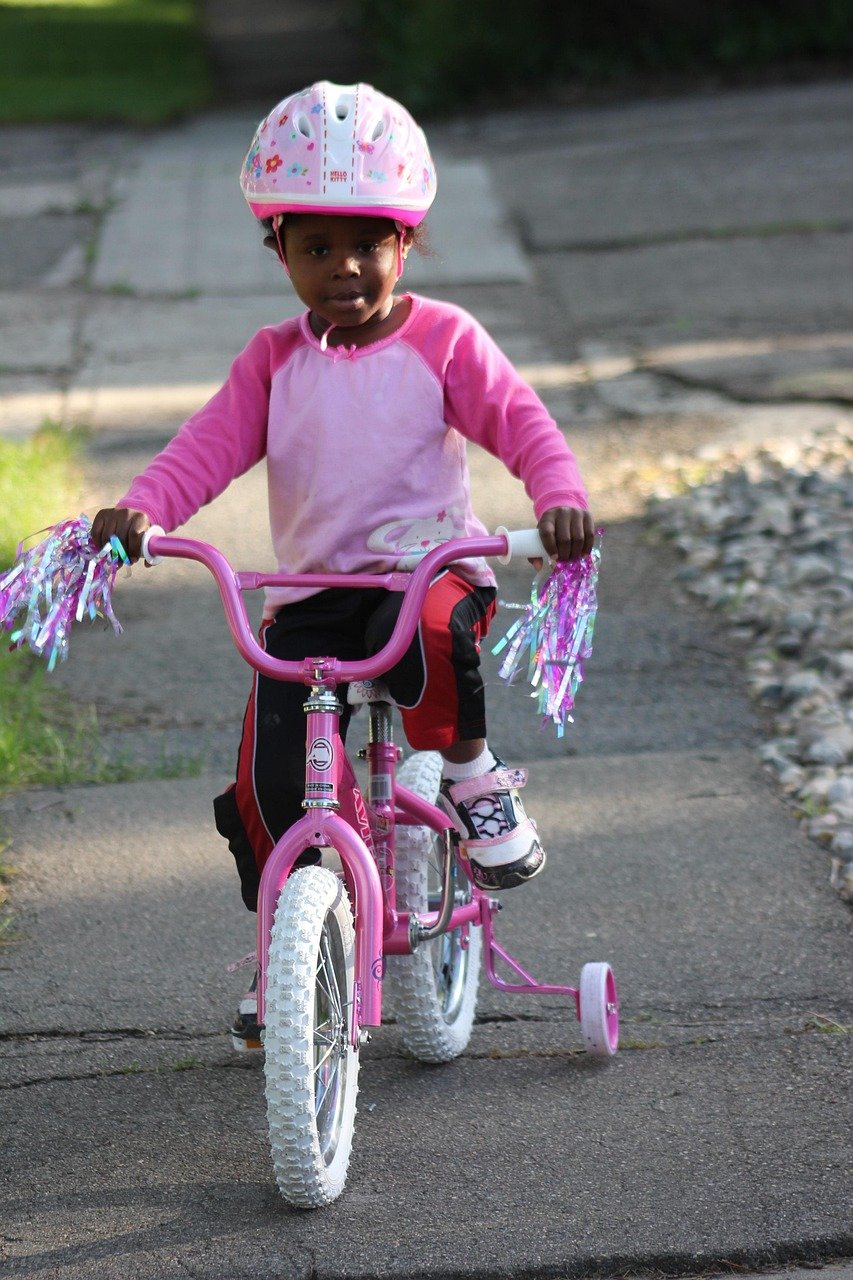
A child may learn to ride a bicycle, climb a playground structure, plant seeds, throw a ball accurately, or complete a nature walk.
Each successful experience can provide a sense of accomplishment.
Parents should avoid comparing children with each other. Development happens at different speeds. Instead, focus on individual progress.
Rather than saying, “Your friend can do this better,” parents can say, “You have improved since the last time you tried.”
Positive encouragement can help children develop a healthier sense of confidence.
Outdoor Play Encourages Social Development
Children often interact with other children during outdoor activities. They may need to share equipment, take turns, follow rules, communicate ideas, and solve disagreements.
These situations help develop social skills.
For example, two children playing with the same ball may need to decide how to share it. Children creating a group game may need to agree on rules.
Not every interaction will be perfect. Arguments and disagreements are normal parts of childhood.
Parents can guide children toward respectful communication rather than solving every disagreement for them.
Children gradually learn that other people may have different ideas and feelings.
Outdoor Games Teach Cooperation
Many outdoor games require teamwork.
Children may play football, organize a treasure hunt, build something together, or create an imaginary adventure.
During these activities, children learn that cooperation can help a group reach a shared goal.
They also learn that everyone has different strengths. One child may be good at running, another may be good at planning, and another may be good at explaining the rules.
These experiences can help children appreciate the abilities of others.
Outdoor Activities Encourage Independence
Children need opportunities to make age appropriate decisions.
Outdoor environments can provide simple choices.
A child may choose which path to take during a family walk, decide where to plant flowers, choose a game to play, or determine how to organize a small outdoor project.
These choices help children practice decision making.
Parents should still provide appropriate safety boundaries. Independence does not mean leaving children without supervision. It means allowing them to make reasonable choices within a safe environment.
Over time, these small decisions can help children become more responsible.
Gardening Can Teach Patience
Gardening is a simple outdoor activity with many developmental benefits.
Children can help prepare soil, plant seeds, water plants, remove weeds, and observe growth.
One of the most valuable lessons gardening provides is patience. Plants do not grow immediately after seeds are planted.
Children learn that some results require time and regular care.
Gardening can also introduce children to responsibility. When they remember to water a plant and later see it grow, they can connect their actions with the result.
This creates a meaningful learning experience without requiring a formal lesson.
Outdoor Activities Can Strengthen Family Relationships
Outdoor time does not always have to involve other children. Parents and children can enjoy activities together.
A family walk can provide an opportunity for conversation. Gardening can become a shared project. A picnic can create time for relaxation. A simple game can produce laughter and positive memories.
These experiences can strengthen family relationships because parents and children are spending focused time together.
Outdoor activities may also encourage conversations that do not happen easily during busy household routines.
Outdoor Experiences Help Children Learn About Responsibility
Outdoor environments often involve real responsibilities.
A child may need to return toys after playing, carry a water bottle, care for plants, collect gardening tools, or help clean a picnic area.
These small responsibilities teach children that their actions affect their surroundings.
Parents can give children simple tasks that match their age and abilities.
The goal is not perfection. The goal is to help children understand that being part of a family and community involves caring for shared spaces.
Outdoor Activities Encourage Language Development
Outdoor experiences give children new things to talk about.
A child may learn words related to plants, animals, weather, movement, colors, shapes, and places.
Parents can encourage language development by talking naturally during outdoor activities.
Instead of turning every moment into a lesson, simply describe what you see and respond to the child’s questions.
For example, while walking through a park, a parent might say, “That tree has very small leaves,” or ask, “Which flower do you like?”
These conversations help children connect words with real experiences.
Outdoor Play Can Reduce Excessive Sitting Time
Modern childhood can involve considerable time sitting for school, homework, television, phones, tablets, and other activities.
Outdoor play provides an opportunity to change the routine.
Children can stand, walk, run, stretch, and explore instead of remaining in one position for long periods.
The purpose is not to completely remove indoor activities. Reading, studying, creative projects, and appropriate technology use can all have value.
A balanced routine simply gives children opportunities to move and explore throughout the day.
Outdoor Activities Teach Children About Nature
Spending time outside helps children develop a relationship with the natural world.
A child who regularly sees plants growing, birds moving, insects working, and weather changing may become more interested in nature.
This awareness can also encourage respect for the environment.
Parents can teach simple habits such as not damaging plants, leaving animals alone, putting rubbish in the proper place, and caring for shared outdoor spaces.
These lessons can gradually develop environmental responsibility.
Simple Outdoor Activities for Children
Outdoor development does not require expensive equipment. Families can choose simple activities based on their available space and the child’s age.
Some useful ideas include:
- Family nature walks
- Playing catch
- Bicycle riding
- Gardening
- Watering plants
- Outdoor drawing
- Looking for different leaves
- Cloud watching
- Simple obstacle courses
- Outdoor storytelling
- Ball games
- Nature photography with adult supervision
- Collecting fallen leaves for crafts
- Picnic activities
- Watching birds from a safe distance
The best activity is often one that the child genuinely enjoys.
How Parents Can Make Outdoor Time More Meaningful
Parents do not need to organize every minute of outdoor time. Children also benefit from having opportunities to decide how they want to play.
A good approach is to provide a safe environment, offer a few possibilities, and allow children to explore.
Parents can also participate without controlling the entire activity.
For example, instead of explaining exactly how a child should build a small outdoor structure, allow the child to experiment first.
If the structure falls down, that becomes another opportunity to think and try again.
Parents should also consider the child’s age, abilities, weather conditions, and safety needs when planning outdoor activities.
Safety Should Always Come First
Outdoor play provides many benefits, but safety remains important.
Children should be supervised according to their age and the environment. Parents should check playground equipment, avoid unsafe areas, provide suitable clothing, and consider weather conditions.
During hot weather, children need access to water and appropriate protection from the sun. During colder weather, suitable clothing is important.
Children should also learn basic outdoor safety rules, such as staying within agreed boundaries, avoiding unknown plants or animals, and telling an adult when they find something unfamiliar.
Safety does not need to remove the fun from outdoor play. Instead, clear boundaries allow children to explore with greater confidence.
Why Regular Outdoor Time Matters
One outdoor activity will not transform a child’s development. The real benefit comes from regular experiences over time.
A short walk today, a gardening activity tomorrow, and a weekend visit to a park can gradually create a lifestyle that includes movement, exploration, and family interaction.
Consistency is more important than creating complicated schedules.
Even families with limited outdoor space can find simple ways to connect children with the outside world. A balcony garden, shared courtyard, nearby park, or short walk can provide useful experiences.
Final Thoughts
Outdoor activities support children’s natural development in many different ways. They encourage physical movement, observation, curiosity, creativity, problem solving, communication, cooperation, confidence, independence, and emotional growth.
The greatest advantage of outdoor play is that children can develop many of these skills naturally while having fun.
Parents do not need expensive toys, special equipment, or complicated programs. Simple experiences such as walking, gardening, playing ball, exploring nature, or spending time together outside can become meaningful parts of childhood.
When children are given safe opportunities to move, explore, make choices, ask questions, and interact with others, they gain experiences that support development beyond the classroom.
A healthy childhood is not built from one type of activity. It comes from balance. Indoor learning, family time, creative play, rest, and outdoor exploration can all have an important place in a child’s life.
By making outdoor activities a regular part of family life, parents can give children more opportunities to discover the world, understand themselves, and develop the skills they will carry into later life.