 yaort
yaort
Related Articles
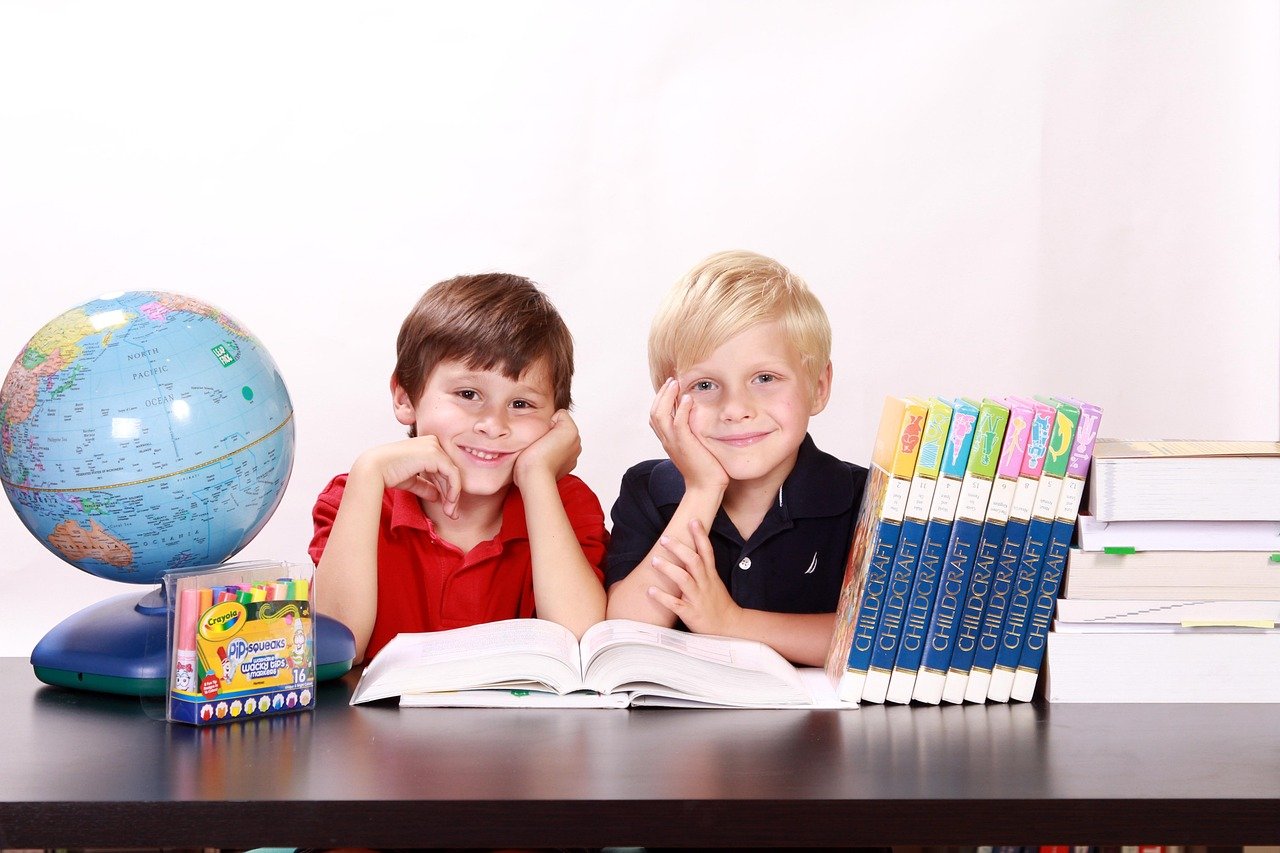


Anger is a normal part of childhood. Every child feels angry sometimes, whether they are upset because they cannot get what they want, have had an argument with a sibling, lost a game, or feel that someone has treated them unfairly. Anger itself is not a bad emotion. The important thing is learning how to handle anger in a safe and healthy way.
Children are still developing their emotional skills. They may know that they are upset, but they may not always know how to explain their feelings or calm themselves. This is why parents and caregivers have an important role in helping children manage anger.
Teaching children how to stay calm when they feel angry does not mean telling them that they should never become angry. Instead, it means helping them understand their emotions and giving them simple tools they can use when strong feelings appear.
Why Children Become Angry
Children can become angry for many different reasons. Sometimes the reason seems small to an adult, but it can feel very important to a child. A child may become angry when a parent says no, when a favorite toy breaks, or when another child refuses to share.
Hunger, tiredness, disappointment, fear, frustration, and changes in routine can also contribute to anger. Younger children may have difficulty expressing these feelings with words, so their emotions may come out through crying, shouting, refusing to cooperate, or other difficult behavior.
Older children may become angry because of school pressure, friendship problems, competition, or feeling misunderstood.
Understanding the reason behind anger can help parents respond more effectively. Instead of focusing only on the behavior, parents can try to understand what caused the emotion.
Stay Calm Yourself
One of the most important ways to help an angry child is to remain calm. Children often respond to the emotional atmosphere around them. If an adult starts shouting when a child is already angry, the situation can become even more difficult.
A calm voice can make a big difference. Speak slowly and use simple words. Avoid giving a long lecture while the child is very upset because they may not be ready to listen.
You can say, “I can see that you are very angry. Let us take a moment to calm down.”
This type of response shows the child that strong emotions can be handled without shouting or losing control.
Help Children Name Their Feelings
Children need to learn the words that describe emotions. When they can identify what they are feeling, they may find it easier to communicate instead of reacting physically.
Parents can teach simple words such as angry, frustrated, disappointed, worried, sad, jealous, and nervous.
For example, if a child becomes upset because a sibling received a new toy, a parent might say, “You seem disappointed because your brother received something new.”
This does not mean agreeing with every reaction. It simply helps the child understand what is happening inside them.
Over time, children can become better at saying, “I am angry because I wanted a turn,” instead of immediately shouting or hitting.
Teach Children to Take Slow Breaths
Deep breathing is one of the simplest calming techniques for children. When children become angry, their bodies can become tense and their breathing may become faster. Slow breathing can help them pause before reacting.
Parents can teach a simple breathing exercise when the child is already calm. Ask the child to breathe in slowly through the nose and then breathe out slowly through the mouth.
You can make it fun by pretending to smell a flower and then slowly blow out a candle.
Practicing this regularly helps children remember the technique when they actually feel angry.
Give Children Time to Calm Down
Some children need a little space when they are angry. This does not mean ignoring them or abandoning them. It means giving them a safe opportunity to settle their emotions.
Parents can create a comfortable calm space where children can sit quietly, read a book, draw, or simply take a few breaths.
The purpose should not be punishment. It should be emotional recovery.
A child can learn that taking a short break is a healthy way to manage strong feelings.
Teach Children to Pause Before Reacting
Children often react quickly when they feel angry. Teaching them to pause can help them make better choices.
A simple method is to teach children to stop, breathe, think, and then act.
For example, when another child takes their toy, they can stop for a moment instead of immediately pushing. They can take a breath and think about what they want to say.
Parents can practice this process during calm moments. Role playing different situations can help children understand what to do when anger appears.
Encourage Children to Use Words
Children need alternatives to aggressive behavior. If they are not allowed to hit, scream, or throw things, they should also know what they can do instead.
Teach children to use simple sentences such as:
“I am angry.”
“I do not like that.”
“Please give me a turn.”
“I need some space.”
“Can you help me?”
These sentences give children useful ways to communicate their needs.
Parents can practice these phrases during everyday situations so they become easier to use during emotional moments.
Avoid Shaming Children for Their Feelings
Telling a child that they are bad because they feel angry can make emotional development more difficult. Anger is an emotion, not a character flaw.
It is better to separate the feeling from the behavior.
A parent can say, “It is okay to feel angry, but it is not okay to hurt someone.”
This teaches an important lesson. Children learn that emotions are acceptable, but unsafe actions are not.
This approach also helps children develop a healthier relationship with their emotions.
Set Clear Limits
Helping children stay calm does not mean allowing every behavior. Children still need clear boundaries.
If a child hits another person, throws dangerous objects, or damages property, the parent should calmly stop the behavior.
The message should be clear and simple. For example, “I will not let you hit your sister. You can tell me that you are angry, but you cannot hurt her.”
Clear limits help children understand that anger does not remove responsibility for their actions.
Teach Healthy Ways to Release Anger
Children can learn safe ways to release emotional tension. Physical activity can be particularly helpful. Walking, running, jumping, playing outside, dancing, or doing simple exercises can help children use their energy in a positive way.
Creative activities can also help. Drawing, coloring, writing, building with blocks, or playing with clay can give children a way to express themselves.
The best activity depends on the child’s age and personality. Some children prefer movement, while others become calmer through quiet activities.
Encourage Outdoor Activities
Spending time outdoors can support children’s emotional well being. Playing outside gives children an opportunity to move their bodies, explore their surroundings, and take a break from stressful situations.
A short walk with a parent can also provide an opportunity to talk.
Parents do not always need to ask direct questions about anger. Sometimes a relaxed conversation during a walk can make it easier for a child to share what is bothering them.
Teach Problem Solving Skills
Anger often comes from a problem that a child does not know how to solve. Helping children learn problem solving skills can reduce repeated frustration.
When a child is calm, ask questions such as:
“What happened?”
“What made you angry?”
“What could you do next time?”
“What could make this situation better?”
These questions encourage children to think instead of simply reacting.
Parents can also offer two or three possible solutions and allow the child to choose one. This helps children develop confidence in handling everyday problems.
Use Stories to Teach Emotional Control
Stories are a useful way to teach children about emotions. Parents can read books about characters who become angry, frustrated, or disappointed.
After reading, talk about what the character felt and how the character handled the situation.
Ask questions such as, “What do you think made the character angry?” or “What could the character have done differently?”
Children often understand emotional lessons more easily when they see them through a story.
Be Patient During Emotional Moments
Learning emotional control takes time. A child will not master anger management after one conversation.
There may be days when the child uses a calming technique successfully and other days when they forget everything they have learned.
Parents should expect gradual progress.
Instead of focusing only on mistakes, notice improvement. If a child stops themselves before hitting someone, uses words instead of shouting, or walks away to calm down, recognize that positive behavior.
Simple encouragement can strengthen these habits.
Teach Children That It Is Fine to Ask for Help
Children sometimes believe they have to handle every emotion alone. Parents can teach them that asking for help is a healthy choice.
A child can learn to say, “I need help calming down.”
Parents can then help the child breathe, sit quietly, talk about the problem, or move to a calmer environment.
This teaches children that seeking support is not weakness. It is an important emotional skill.
Avoid Long Lectures During Anger
When a child is extremely angry, they may not be able to process a long explanation. A lengthy lecture can make the situation worse.
During the emotional moment, keep your words short and calm.
You can say, “You are angry. Take a breath. I am here. We can talk when you are calmer.”
Later, when the child has settled, discuss what happened and what could be done differently next time.
The lesson is often more effective after the emotional intensity has passed.
Model Healthy Anger Management
Children learn a great deal by watching adults. Parents do not need to be perfect, but they can show children healthy ways of dealing with frustration.
If a parent becomes frustrated, they can say, “I am feeling upset, so I am going to take a few minutes to calm down.”
This shows the child that adults also experience strong emotions and that taking a pause can be useful.
When parents make mistakes, apologizing also teaches children an important lesson about responsibility.
Create a Calm Daily Routine
A predictable routine can help children feel secure. Regular sleep, meals, school activities, playtime, and quiet time can make daily life easier to manage.
Children who are very tired or hungry may have a harder time controlling their emotions.
A balanced routine does not need to be complicated. Simple consistency can make a noticeable difference.
Talk About Anger When the Child Is Calm
The best time to teach anger management is often when the child is not angry.
Parents can have relaxed conversations about emotions during ordinary moments.
Talk about what anger feels like in the body. A child may notice a fast heartbeat, tight muscles, warm skin, or a strong desire to shout.
Once children learn these early signs, they may be able to recognize anger before it becomes overwhelming.
Practice Calming Techniques Regularly
Children should not only practice calming techniques when they are angry. Regular practice makes these skills easier to remember.
Parents can spend a few minutes each day practicing slow breathing, stretching, quiet sitting, or another calming activity.
The goal is to make emotional regulation a normal part of everyday life.
What Parents Should Avoid
Some responses can make childhood anger more difficult to manage. Shouting, insulting, threatening, humiliating, or making fun of a child can increase emotional stress.
Parents should also avoid telling children that they should never feel angry.
Instead, focus on teaching them what to do with the feeling.
The goal is not to eliminate anger. The goal is to help children handle anger safely.
When Children May Need Extra Support
Most children gradually develop better emotional control as they grow. However, parents may want to seek professional guidance if anger is extremely frequent, severe, or difficult to manage.
Extra support may also be useful if a child’s anger regularly leads to serious aggression, major problems at school, damaged relationships, or unsafe behavior.
A qualified child health or mental health professional can help parents understand possible causes and develop appropriate strategies.
Seeking support does not mean that a child is bad or that parents have failed. Sometimes children simply need additional guidance.
Final Thoughts
Helping children stay calm when they feel angry is a gradual process. Children need patience, clear boundaries, emotional support, and practical tools that they can use in everyday situations.
Parents can help by staying calm, teaching children to name their feelings, encouraging slow breathing, providing safe ways to take a break, and showing them how to solve problems with words.
The most important lesson is that anger is a normal human emotion. Children do not need to be afraid of their feelings. They need to learn how to understand them and respond in safe ways.
With regular practice and supportive parenting, children can become better at recognizing anger, calming their bodies, expressing their needs, and making thoughtful choices. These skills can benefit them not only during childhood but throughout their lives.