 yaort
yaort
Related Articles
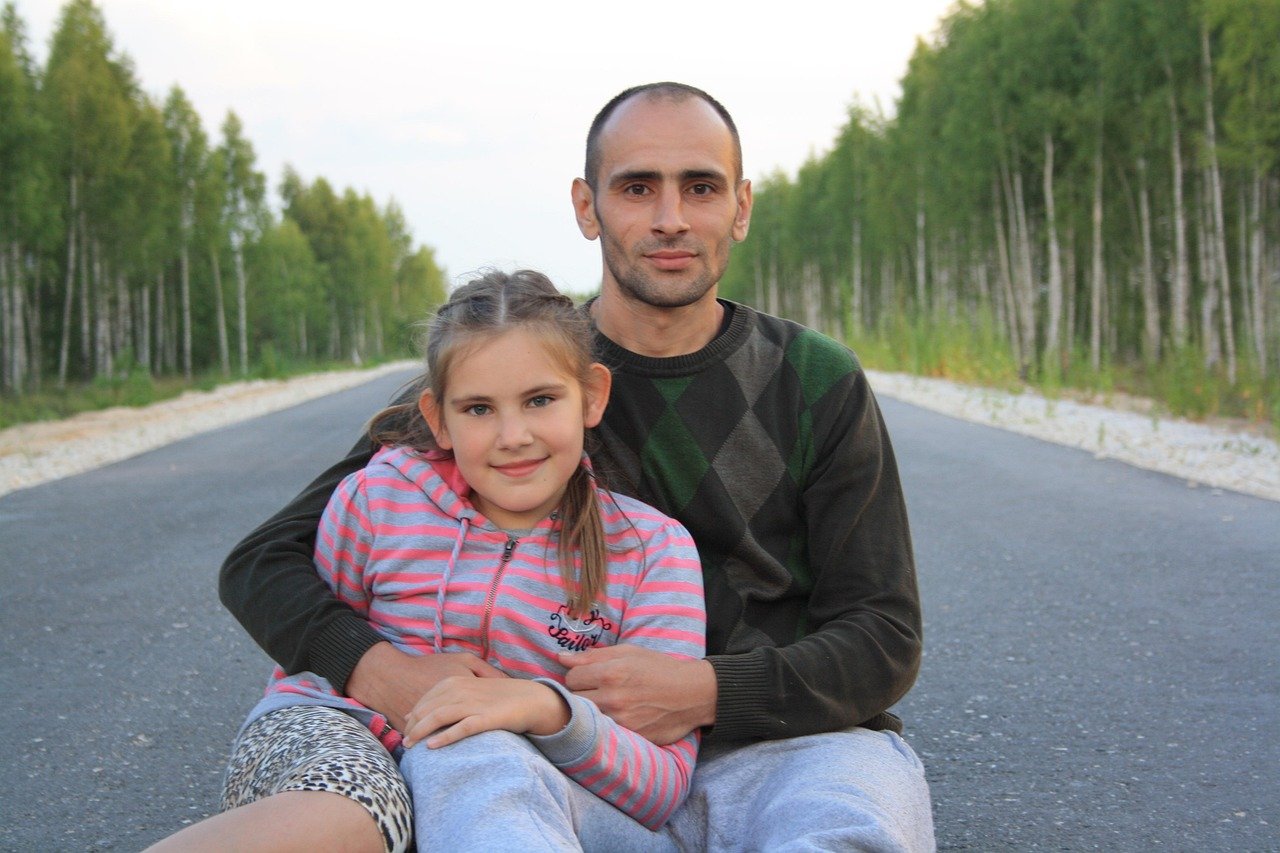
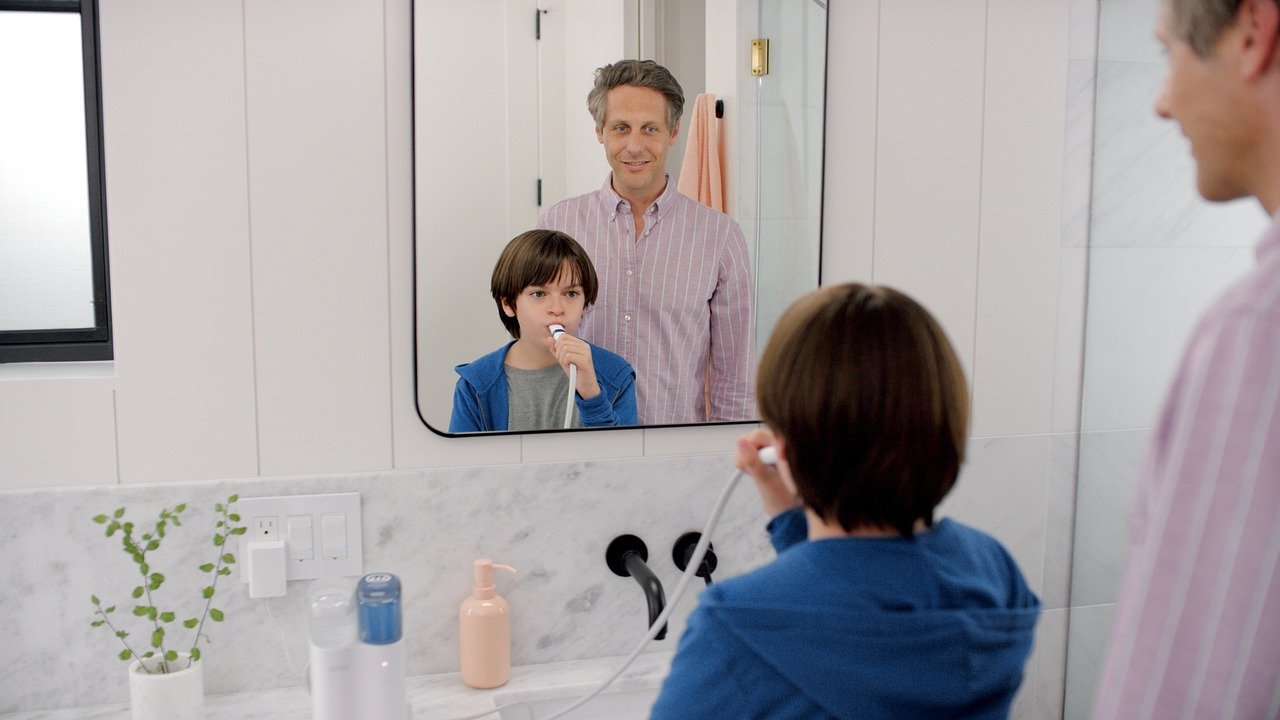

Spending quality time with family does not have to mean going to expensive restaurants, visiting amusement parks, or planning costly vacations. In fact, some of the most meaningful family memories can come from simple moments at home or in the neighborhood. A conversation after dinner, a walk in the evening, a board game, or cooking together can bring family members closer without putting pressure on the household budget.
Today, many families feel that they need to spend money to enjoy their free time. Advertisements, social media, and busy lifestyles can create the idea that entertainment must always involve shopping or paid activities. However, quality family time is not really about how much money is spent. It is about attention, communication, laughter, and being present with one another.
Families can find many free activities that are enjoyable, educational, and meaningful. With a little creativity, ordinary days can become opportunities to build stronger relationships.
Why Quality Family Time Matters
Family relationships grow through regular interaction. When parents and children spend time together, they get opportunities to understand each other better. Children feel valued when their parents listen to them, ask about their interests, and participate in activities they enjoy.
Quality family time can also improve communication. A child who regularly talks with family members may feel more comfortable sharing worries, questions, and personal experiences. Parents can learn more about what their children are thinking and feeling.
Spending time together can also create a sense of belonging. Children often remember simple family traditions for many years. They may not remember the price of a particular outing, but they may remember sitting with their parents on the floor while playing a favorite game.
The most important thing is not to create perfect family moments. It is to create regular opportunities for connection.
Have a Family Conversation Time
One of the easiest ways to spend quality time together is simply to talk. Families can choose a time when everyone puts aside phones, television, and other distractions.
This does not need to be a serious meeting. Parents can ask children about the best part of their day, something funny that happened, or something they would like to learn.
You can also introduce simple questions such as:
What was the funniest thing you saw today?
What is something you are proud of this week?
If you could visit any place, where would you go?
What is one thing you would like our family to do together?
These conversations can help family members learn about each other in a relaxed way.
Take a Family Walk
A walk costs nothing and can become a wonderful family activity. Families can walk around their neighborhood, visit a nearby public space, or simply spend time outside together.
Walking gives everyone a chance to talk without the distractions that often exist at home. Parents can use this time to listen to their children and discuss everyday topics.
Children may also enjoy observing birds, trees, buildings, cars, and other things around them. Younger children can turn a simple walk into a small adventure by looking for different types of leaves, flowers, or interesting objects.
The goal is not exercise alone. The real benefit comes from experiencing something together.
Cook a Meal Together
Cooking at home can become a family activity rather than a daily responsibility. Instead of one person preparing the entire meal, family members can work together.
One person can wash vegetables while another prepares ingredients. Older children can help with simple cooking tasks, while younger children can assist with safe activities.
Families can also choose one meal each week that everyone helps prepare. This can become a simple family tradition.
Cooking together teaches children useful skills while giving parents and children an opportunity to talk. It also helps children understand that preparing food can be enjoyable and creative.
Have a Family Game Night
You do not need to purchase new games to enjoy a family game night. Many traditional games can be played with items already available at home.
Families can play cards, charades, word games, guessing games, or simple games involving paper and pencils.
For example, one person can think of an object while everyone else asks questions to guess what it is. Another option is to choose a letter and challenge everyone to name a food, animal, place, or object beginning with that letter.
The best games are often the ones that make everyone laugh.
Read Together
Reading is another excellent way to spend family time without spending money. If your home already has books, choose one and read it together. Public libraries can also provide access to books without requiring families to purchase them.
Parents can read stories aloud to younger children. Older children can take turns reading different sections.
After reading, talk about the story. Ask children what they liked about it, which character they found interesting, and what they would have done differently.
This activity supports reading skills while creating a calm family experience.
Create a Family Movie Night at Home
A family movie night does not have to involve going to a cinema. Families can choose a movie that is already available through a service they use or watch a free legal program when one is available.
Make the evening feel different from an ordinary night. Turn off unnecessary lights, arrange comfortable seating, and let everyone choose a small part of the experience.
After the movie, discuss it together. Ask children about their favorite character or the lesson they noticed.
The conversation after the movie can sometimes be more valuable than the movie itself.
Spend Time in a Local Park
Public parks can provide many free opportunities for family activities. Families can walk, play, talk, observe nature, or simply sit together.
Children can create their own games using the space around them. They might play hide and seek, race each other, or invent a story based on what they see.
Parents do not always need to organize every activity. Giving children time to use their imagination can also be valuable.
A regular visit to the same park can become a simple family tradition.
Look at Old Family Photos
Old photographs can provide hours of conversation. Families can sit together and look through pictures from previous years.
Children often enjoy hearing stories about when their parents were young. Parents can explain where a picture was taken, who was present, and what was happening at the time.
This helps children understand their family history. It also gives older family members an opportunity to share memories that children may not have heard before.
You can make this activity even more interesting by asking children to guess what was happening in a photograph before explaining the real story.
Organize a Home Cleaning Challenge
Cleaning may sound like work rather than quality family time, but it can become enjoyable when everyone participates.
Choose one area of the home and turn the task into a friendly challenge. Family members can work together to organize books, toys, clothes, or other household items.
Play music while everyone works and take short breaks to talk or laugh.
This teaches children that household responsibilities are shared responsibilities. It also allows families to accomplish something useful together.
Have a Picnic at Home
A picnic does not require a special location. Families can have one in the backyard, on a balcony, or even on the living room floor.
Prepare simple food that is already available at home. Put a blanket down and arrange the meal differently from the usual routine.
Children may enjoy helping organize the picnic. They can choose where everyone sits, arrange plates, or create simple decorations using paper.
Changing the environment can make an ordinary meal feel special.
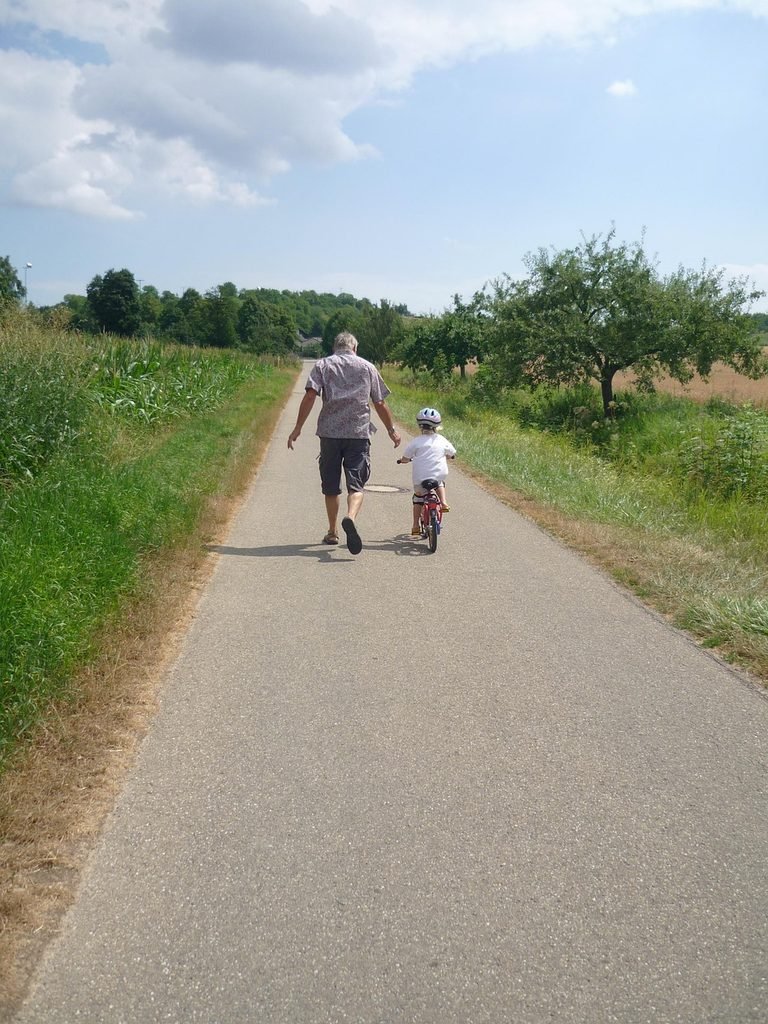
Tell Family Stories
Every family has stories. Parents can tell children about their childhood, school days, friendships, funny mistakes, or memorable experiences.
Children may be surprised to learn that their parents once faced many of the same challenges they experience today.
Parents can also invite grandparents or other relatives to share stories when possible.
Storytelling helps preserve family memories and gives children a stronger understanding of where their family came from.
Try a No Technology Evening
Phones, tablets, computers, and television can easily take up family time. A simple way to reconnect is to choose one evening when everyone reduces unnecessary screen use.
The purpose is not to make technology seem bad. It is simply to create space for other activities.
Families can talk, play games, cook, read, draw, or take a walk.
At first, children may complain because they are used to screens. However, once everyone becomes involved in an activity, the evening can become enjoyable.
Make a Family Bucket List
A family bucket list does not have to contain expensive vacations or major events. Fill it with simple things everyone would like to experience together.
Ideas might include watching a sunrise, visiting a public park, cooking a new meal, having a picnic, learning a song, planting something, taking a long walk, or having a family storytelling night.
Write the ideas on paper and keep the list somewhere visible.
Whenever the family has free time, choose one activity.
Explore Nature
Nature provides countless free opportunities for families. Look at the sky, watch birds, collect fallen leaves, observe insects, or identify different plants.
Parents can encourage children to ask questions about what they see.
For example, if children notice a bird, the family can observe its behavior and later learn more about it using free educational resources.
Nature activities can help children become curious and more aware of their surroundings.
Create Simple Family Traditions
Family traditions do not need to be expensive. A tradition can be something as simple as eating breakfast together every Sunday, taking an evening walk every Friday, telling jokes before bedtime, or having a special conversation at the end of each week.
The important part is consistency.
When an activity happens regularly, children begin to associate it with family connection. These small traditions can become some of their strongest childhood memories.
Let Children Choose the Activity
Parents often plan everything, but children should also have opportunities to choose how the family spends time together.
Create a simple rotation where each family member gets a turn to select a free activity.
One child might choose a game. Another might choose a walk. A parent might choose cooking together.
This gives children a sense of responsibility and makes them feel that their preferences matter.
Learn Something Together
Families can learn many things without paying for a course. Choose a topic that interests everyone and explore it together.
You might learn about stars, animals, history, geography, cooking, plants, languages, or another subject.
Parents do not need to know everything. In fact, learning together can be more enjoyable because everyone discovers new information at the same time.
Children also learn that education does not only happen in school. Curiosity can continue throughout everyday life.
Have a Family Talent Evening
A family talent evening can be funny and memorable. Everyone chooses something they can demonstrate.
Someone might sing, another person might tell jokes, and someone else might demonstrate a skill.
The goal is not competition. It is simply to encourage everyone to participate.
Children can also create short performances or stories. Parents can join instead of only watching.
These activities can help children become more confident and comfortable expressing themselves.
Why Free Family Activities Can Be More Meaningful
When families remove the pressure to spend money, they often become more creative. Instead of asking, “What can we buy?” they begin asking, “What can we do together?”
This change can make family time more personal.
A purchased activity may be enjoyable, but free activities often require family members to participate directly. They have to talk, create, imagine, cooperate, and solve small problems together.
That interaction is what builds relationships.
How Busy Families Can Find Time
One common problem is not money but time. Parents may have work, household responsibilities, and many other commitments.
The solution is not necessarily to find several free hours every day. Even twenty or thirty minutes of focused family time can make a difference.
Families can choose a regular time that works for everyone. It could be after dinner, early in the morning on weekends, or during a quiet afternoon.
The important thing is to make the time meaningful.
Put away distractions, listen carefully, and participate instead of simply being physically present.
Final Thoughts
Families do not need a large budget to create meaningful memories. Quality family time comes from attention, communication, creativity, and shared experiences.
A walk around the neighborhood, a conversation at the dinner table, a homemade game, a story from childhood, or a simple picnic at home can bring people closer.
The most valuable family activities are often the simplest ones because they give everyone a chance to participate.
Instead of waiting for a special occasion or an expensive outing, families can start today. Choose one simple activity, put away distractions, and spend some time together.
Over time, these small moments can become traditions that children remember for years. Money can buy entertainment, but it cannot replace the feeling of being heard, supported, and loved by the people who matter most.