 yaort
yaort
Related Articles
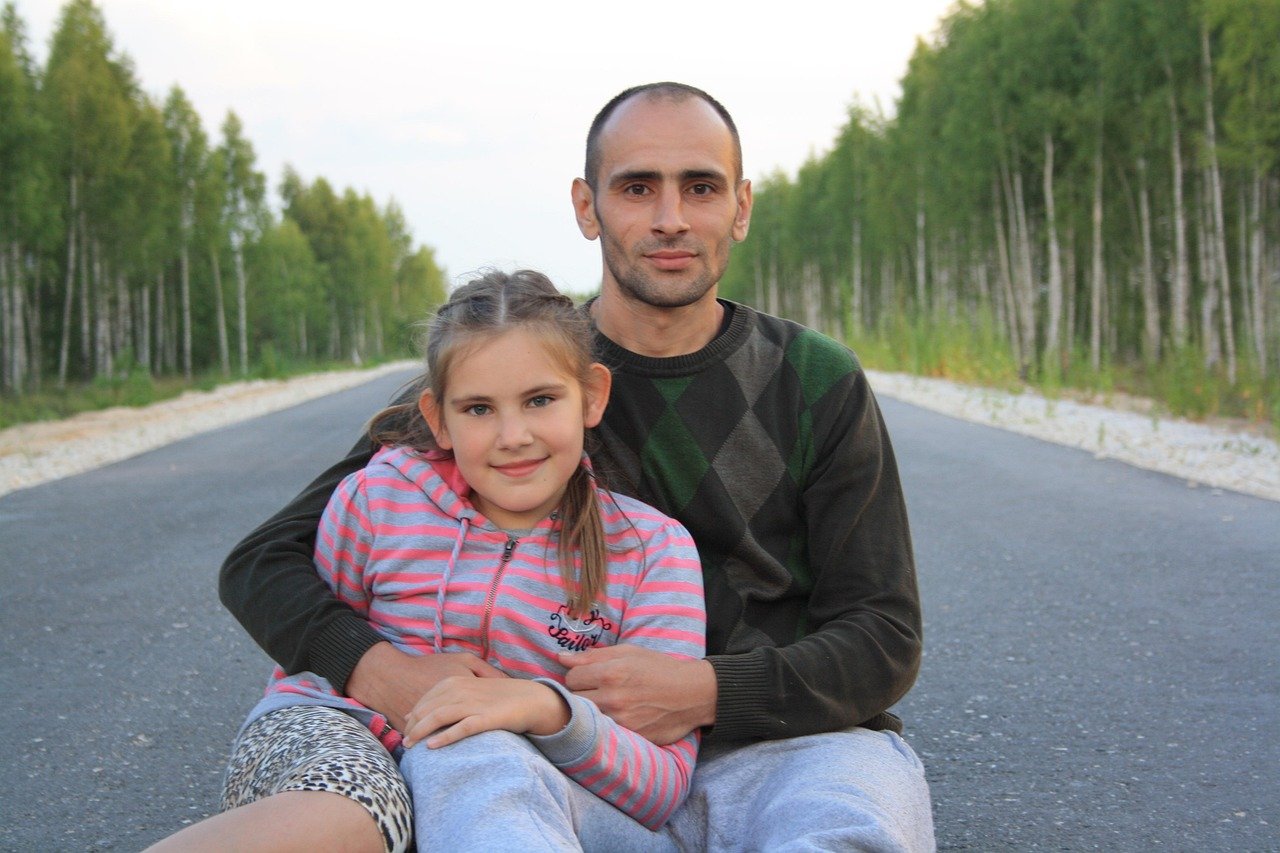


Spending time together as a family is one of the simplest ways to build stronger relationships. However, busy schedules, school responsibilities, work, household tasks, and personal interests can make it difficult for everyone to spend meaningful time together. A well planned family day can give everyone a chance to relax, talk, laugh, and enjoy each other’s company.
Organizing a family day does not have to mean spending a lot of money or planning an expensive trip. In fact, some of the best family days can happen at home, in a nearby park, or during a simple outing. The most important part is creating an experience where every family member feels included and comfortable.
A successful family day requires a little planning, but it should not feel stressful. The goal is to spend quality family time together rather than creating a perfect schedule. With the right approach, parents can organize a family day that children and adults will both remember positively.
Start by Choosing a Day That Works for Everyone
The first step in planning a family day is choosing a suitable date. A family day becomes difficult when one person is worried about work, school, appointments, or other responsibilities.
Look at everyone’s schedule before making a final decision. If possible, choose a day when most family members are free from important commitments. Weekends are often convenient, but there is no rule that says a family day must happen on Saturday or Sunday.
The important thing is that everyone knows about the plan in advance.
For families with older children, it can be helpful to discuss possible dates together. This gives children a sense of involvement and makes them more interested in the event.
Ask Everyone What They Would Enjoy
One of the best ways to organize a family day that everyone enjoys is to ask for everyone’s ideas.
Parents may have their own plans, but children also have preferences. One child may want to visit a park while another may prefer playing board games at home. Adults may want a peaceful afternoon while children may want something active.
Instead of allowing one person’s preference to control the entire day, collect ideas from everyone.
You can ask simple questions such as:
What activity would you enjoy?
Would you rather stay home or go somewhere?
What food would you like?
What game should we play?
Is there something new you would like to try?
This does not mean every suggestion must be included. It simply gives everyone a chance to contribute.
Choose Activities That Suit Different Ages
Families often include people of different ages, which means not every activity will be equally enjoyable for everyone.
A young child may become tired during a long walk. A teenager may not enjoy an activity designed only for small children. Grandparents may prefer activities that are comfortable and relaxed.
The best family activities are usually flexible enough to involve different age groups.
For example, a family picnic can include children playing games while adults talk and older family members relax. A simple cooking activity can allow young children to help with safe tasks while older children prepare more complicated parts of the meal.
Try to create a balance between active and relaxing activities.
Do Not Pack the Day With Too Many Plans
A common mistake when organizing a family day is trying to do too much.
Parents sometimes create a detailed schedule that includes breakfast, an outdoor activity, shopping, lunch, games, sightseeing, dinner, and several other activities. Although this may sound exciting, it can quickly become tiring.
Family days should leave room for unexpected moments.
Instead of planning every minute, choose two or three main activities and allow free time between them. This gives everyone an opportunity to rest or change plans if necessary.
A relaxed schedule is often more enjoyable than a busy one.
Decide Whether to Stay Home or Go Out
A family day can happen almost anywhere. You do not need to travel far to create a meaningful experience.
Staying at home can be a wonderful option for families who want to save money or avoid the stress of travel. You can organize a movie afternoon, cook a special meal, play games, create crafts, or have a small indoor picnic.
Going outside can provide a different experience. A nearby park, nature area, playground, beach, museum, or family friendly attraction can give everyone a change of environment.
Think about the family’s energy level, weather, budget, and interests before deciding.
Plan a Family Meal
Food can become an important part of a family day because meals naturally bring people together.
Instead of preparing everything yourself, involve family members in choosing or preparing the food. Children can help wash vegetables, arrange plates, prepare simple snacks, or decorate the table.
You can also allow each person to choose one food item they would like to have.
The meal does not need to be complicated. A homemade lunch, picnic, barbecue, sandwiches, or a simple dinner can be enough.
The most important thing is sitting together without distractions and enjoying conversation.

Create a Simple Family Activity
A shared activity can give the family something to enjoy together instead of everyone doing separate things.
There are many inexpensive family activities to consider. You could play a board game, complete a puzzle, make homemade crafts, plant flowers, cook a new recipe, take family photographs, or organize a friendly competition.
Outdoor activities can include walking, cycling, playing football, flying a kite, or exploring a nearby area.
Choose something that encourages participation rather than an activity where only one person is involved.
Include Some Friendly Competition
Games can make a family day more exciting, especially when they involve everyone.
You could organize a simple family quiz, treasure hunt, relay game, guessing game, or sports competition.
Keep the competition friendly. The purpose is not to prove who is the best. It is to create laughter and interaction.
For younger children, avoid making winning the main goal. Praise effort, creativity, teamwork, and good sportsmanship.
Adults should also be willing to lose and laugh about it. Children often enjoy games more when parents participate seriously but playfully.
Give Children Some Responsibility
Children often enjoy family events more when they feel that they helped create them.
Give them small responsibilities that match their age.
A young child might help choose decorations or organize toys. An older child might prepare snacks, select music, or help plan a game.
Teenagers can take responsibility for creating a playlist, taking photographs, preparing part of the meal, or suggesting an activity.
These small responsibilities teach children useful skills while making them feel valued.
Keep Technology Under Control
Phones, tablets, television, and other devices can easily take attention away from family time.
You do not necessarily need to ban technology completely. However, creating certain device free periods can help everyone focus on one another.
For example, you could agree that phones will be put away during lunch and during the main family activity.
Parents should follow the same rule. Children may find it difficult to put their phones away if adults continue checking messages throughout the day.
The goal is not to make technology the enemy. It is simply to make room for face to face interaction.
Make Conversation Part of the Day
Quality family time is not only about activities. Conversation is equally important.
Use the family day as an opportunity to learn what everyone has been thinking about.
Ask children about their favorite part of the week. Talk about school, hobbies, books, future plans, funny experiences, or things they would like to learn.
Avoid turning every conversation into advice or criticism.
Sometimes children simply want someone to listen.
Adults can also share stories from their own childhood. Personal stories can help children understand their parents better and create interesting family conversations.
Consider Everyone’s Energy Level
People do not always have the same energy level.
One family member may be ready for a long walk while another may need more rest. A younger child may become tired quickly, while teenagers may want more independence.
Pay attention to signs of tiredness, hunger, boredom, or frustration.
If people become tired, take a break. If an activity is not working, change it.
A flexible approach is better than forcing everyone to follow the original plan.
Have a Backup Plan
Outdoor family activities can be affected by weather, traffic, unexpected closures, or other problems.
Having a backup plan can prevent disappointment.
If you are planning a picnic, think about an indoor activity that could replace it. If you plan to visit an outdoor attraction, have another nearby option in mind.
The backup plan does not need to be complicated.
You could simply return home and organize games, cooking, movies, crafts, or a family discussion.
Being prepared allows you to stay calm when plans change.
Make the Day Affordable
A memorable family day does not require a large budget.
Many enjoyable activities are free or inexpensive. You can visit a public park, walk around your neighborhood, have a picnic, play games at home, cook together, or explore a free local attraction.
If you do decide to spend money, set a budget before the day begins.
Planning ahead can help avoid unnecessary expenses.
Children can also learn that entertainment does not always require expensive purchases. Time together, creativity, and shared experiences can be just as valuable.
Allow Everyone to Have Some Choice
A family day should feel shared rather than controlled by one person.
One useful idea is to give each family member a small choice.
For example, one person can choose breakfast, another can choose the main activity, and someone else can choose the evening game.
This approach helps distribute decision making.
It also teaches children that family plans work best when people consider each other’s preferences.
Avoid Arguments About Small Things
Even a well planned family day can include disagreements.
Children may argue about games. Adults may disagree about timing or activities. Someone may become frustrated because plans changed.
Try not to let small problems take over the entire day.
Parents can model calm communication by listening and responding without unnecessary anger.
If an activity is causing too much conflict, simply change it.
The purpose of the day is to strengthen family relationships, not to make every person agree about everything.
Take Family Photos
Photos can help preserve memories from your family day.
You do not need professional equipment. A simple phone camera can capture meaningful moments.
Take pictures during activities, meals, outdoor walks, or funny moments.
However, avoid spending the entire day trying to create perfect photographs.
Some of the best family memories are often captured naturally.
You can also allow children to take a few pictures. Their perspective may produce photographs that adults would not normally think to take.
Create a Small Family Tradition
If everyone enjoys the family day, consider turning it into a regular tradition.
It could happen once a month, once every season, or whenever everyone’s schedules allow.
The tradition does not need to be complicated.
For example, your family could have a special Sunday breakfast, monthly park visit, family game evening, or seasonal picnic.
Regular family traditions can give children something positive to look forward to.
They can also become memories that stay with them as they grow older.
Focus on Connection Instead of Perfection
One of the most important family day planning tips is to avoid expecting everything to go perfectly.
The weather may change. Food may not turn out as expected. Someone may become tired. An activity may be less exciting than everyone imagined.
That is normal.
A successful family day is not measured by how perfectly the schedule was followed.
It is measured by whether family members had opportunities to connect, communicate, laugh, and enjoy being together.
Sometimes an unexpected moment becomes the best memory of the entire day.
Let Children Suggest Future Family Days
After the family day is finished, ask everyone what they enjoyed most.
You can ask simple questions such as:
What was your favorite part?
What should we do again?
What should we change next time?
What new activity would you like to try?
This feedback can make future family days even better.
Children may also come up with ideas that adults would not consider.
Listening to their suggestions shows that their opinions matter.
End the Day in a Calm Way
The end of the family day should not feel rushed.
After the main activities, give everyone some time to relax.
You could have a quiet dinner, watch a family friendly movie, talk about the day’s best moments, or simply sit together.
A calm ending can make the entire experience feel more satisfying.
Before everyone goes to bed, take a few minutes to appreciate the time you spent together.
Final Thoughts
Organizing a family day that everyone enjoys does not require expensive activities, complicated travel plans, or a perfect schedule. The most important part is making time for one another and creating an environment where everyone feels included.
Start by choosing a convenient day and asking family members what they would enjoy. Select activities that suit different ages and leave enough free time for rest. Prepare a simple meal, involve children in planning, limit unnecessary screen time, and stay flexible when unexpected problems occur.
Remember that the purpose of a family day is not to create a perfect event. It is to strengthen relationships through shared experiences.
A simple walk, homemade meal, board game, conversation, or afternoon in the park can become a meaningful family memory.
When families regularly make time for one another, children learn that relationships deserve attention and care. Parents also get an opportunity to slow down and enjoy moments that can easily be missed during busy weeks.
The best family day is therefore not necessarily the most expensive or exciting one. It is the day when everyone feels welcome, heard, included, and happy to be together.