 yaort
yaort
Related Articles
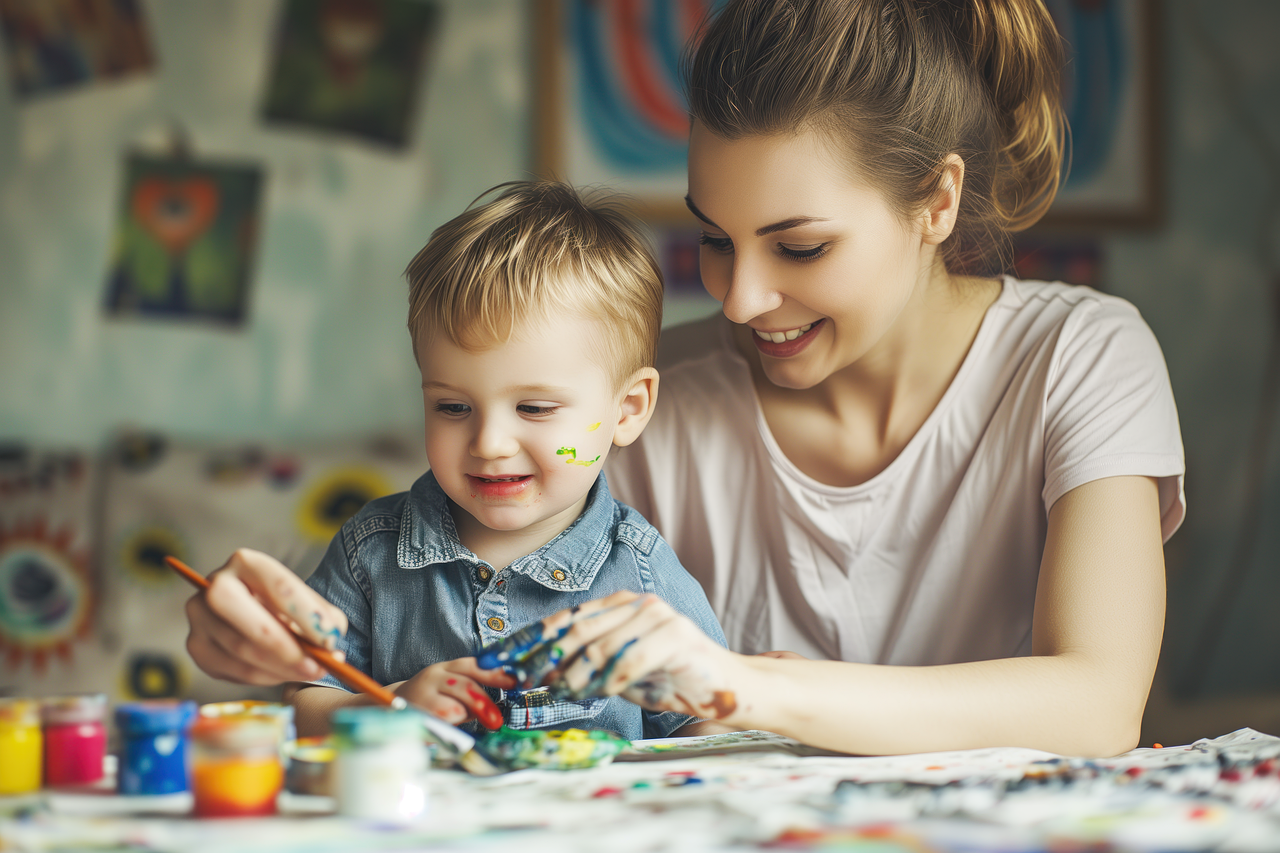
Communication is one of the most important skills children develop while growing up. It helps them express their thoughts, share their feelings, ask questions, understand other people, and build healthy relationships. Many parents think communication skills mainly come from school activities or formal learning. However, children learn a great deal about communication through simple conversations that happen every day.
A short conversation during breakfast, a question asked while traveling, or a discussion before bedtime can become a valuable learning opportunity. Children watch how adults speak, listen, respond, explain ideas, and handle different opinions. Over time, these everyday experiences help children become more confident and thoughtful communicators.
Parents do not need complicated activities to improve communication skills in children. Regular conversations at home can provide a natural environment where children can practice speaking and listening without feeling pressured. The more children communicate, the more comfortable they become with expressing themselves.
Why Communication Skills Matter for Children
Good communication skills help children in many areas of life. A child who can explain what they need may find it easier to ask for help. A child who knows how to listen can understand instructions more clearly. A child who can talk about emotions may also find healthier ways to deal with difficult situations.
Communication skills are also important for friendships. Children need to learn how to start conversations, take turns speaking, listen to friends, disagree respectfully, and explain their feelings. These abilities can make social situations easier and help children develop stronger relationships.
As children grow older, communication becomes even more important. They may need to participate in classroom discussions, give presentations, work with classmates, communicate with teachers, and eventually handle responsibilities at work and in adult relationships.
Everyday conversations give children an early foundation for these abilities.
Children Learn by Watching Adults
Children learn communication not only from what parents tell them but also from what parents do. They observe how adults speak to family members, respond to questions, handle disagreements, and listen to others.
For example, when a parent listens carefully while a child is speaking, the child learns that listening is important. When a parent waits for the child to finish instead of interrupting, the child learns the value of taking turns.
The same principle applies to emotional communication. If parents calmly explain that they are frustrated or tired, children can learn that emotions can be expressed with words. They begin to understand that talking about feelings is healthier than simply reacting to them.
Parents can therefore become strong communication role models through ordinary daily interactions.
Everyday Questions Encourage Children to Speak
Asking children simple questions is an easy way to encourage communication. Parents can ask about school, friends, hobbies, meals, games, books, or things the child noticed during the day.
Instead of asking questions that require only yes or no answers, parents can sometimes use open ended questions.
For example, instead of asking, “Did you enjoy school today?” a parent might ask, “What was the most interesting thing you did at school today?”
The second question gives the child more space to explain.
Other useful questions include:
“What did you enjoy about that activity?”
“What made you laugh today?”
“What would you do differently next time?”
“What do you think about this?”
“How did that make you feel?”
These questions encourage children to think before answering. They also help expand vocabulary and improve their ability to explain ideas.
Listening Is an Important Part of Communication
Good communication is not only about speaking. Listening is equally important.
Children need opportunities to practice listening carefully to what other people are saying. Parents can support this skill by giving children their full attention during conversations whenever possible.
Eye contact, appropriate responses, and simple follow up questions show children that listening matters. When a child tells a story, parents can ask another question related to what the child said. This demonstrates that the conversation is a shared activity rather than a one sided exchange.
Parents can also teach children not to interrupt unnecessarily. However, children should not feel that they must remain silent all the time. The goal is to teach them how to wait for an appropriate moment to speak.
With regular practice, children gradually understand the natural rhythm of conversations.
Family Mealtimes Can Become Communication Practice
Family meals provide a natural opportunity for conversation. Even when families have busy schedules, occasional shared meals can help create space for communication.
Parents can talk about simple topics such as the best part of the day, something interesting they learned, weekend plans, or a funny moment from the day.
Children can be encouraged to share their own opinions. They can talk about what they like, what they found difficult, or what they would like to do.
These conversations do not need to be serious or structured. Casual discussions can be just as useful because they allow children to practice communication naturally.
Family meals can also teach children how to take turns. Everyone gets an opportunity to speak, listen, and respond.
Bedtime Conversations Can Build Confidence
Bedtime is another useful time for communication. The environment is often quieter, giving children an opportunity to talk without the distractions of the day.
Some children become more comfortable sharing their thoughts at night. A short conversation before sleep can help them discuss something that happened during the day.
Parents might ask what their child enjoyed, what they learned, or whether anything is bothering them.
These conversations can strengthen the parent child relationship while also improving communication skills. Children learn that their thoughts are worth sharing and that their parents are willing to listen.
A regular bedtime conversation can become a comforting family routine.
Talking About Feelings Builds Emotional Communication
Children sometimes experience strong emotions but do not have enough words to describe them. Everyday conversations can help them develop emotional vocabulary.
Parents can introduce simple words such as happy, disappointed, worried, excited, frustrated, nervous, proud, embarrassed, and calm.
When a child is upset, parents can help them describe what happened rather than immediately trying to solve everything.
For example, a parent might say, “It looks like you are disappointed because the game ended.”
This teaches the child to connect feelings with words.
Over time, children may become better at saying, “I feel frustrated because my friend did not listen to me,” instead of reacting without explaining the problem.
This is an important part of healthy communication.
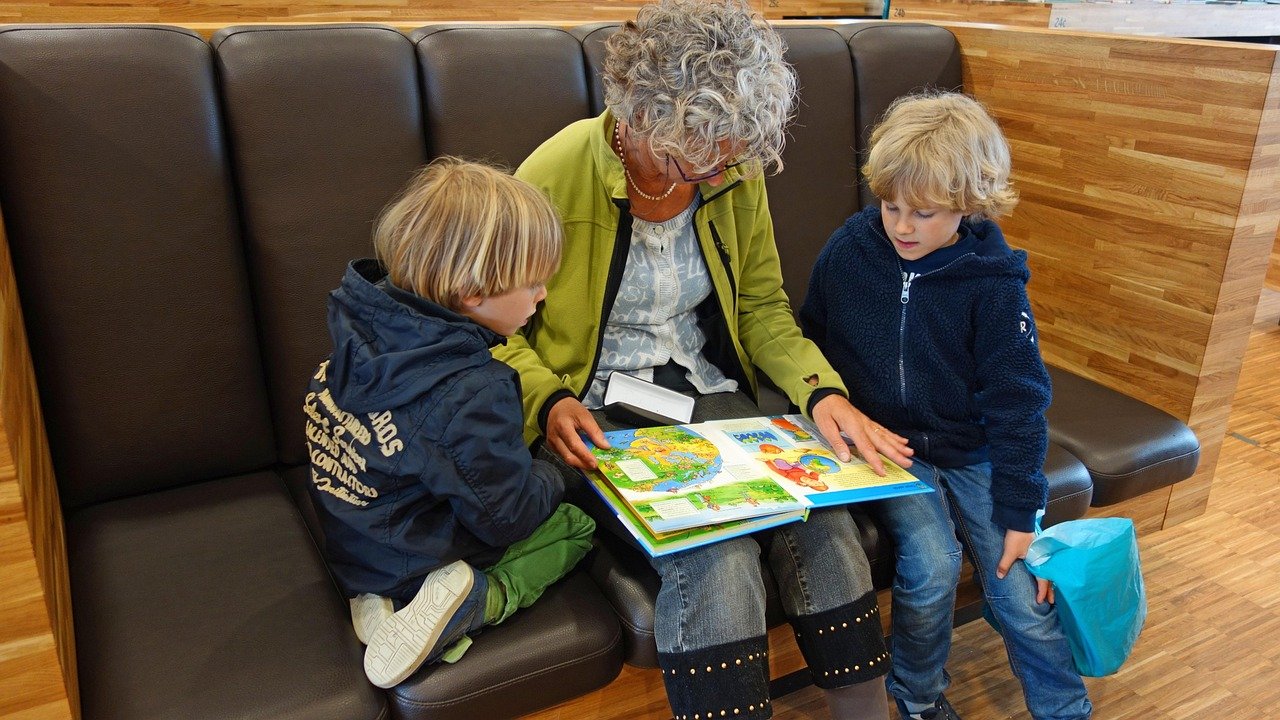
Reading Together Creates Conversation Opportunities
Reading books with children is another excellent way to build communication skills. Parents can pause during a story and ask questions about the characters and events.
Questions such as “Why do you think the character did that?” or “What do you think will happen next?” encourage children to explain their ideas.
Parents can also ask children how they would feel in a particular situation.
Reading introduces children to new words and different ways of expressing thoughts. It also gives them topics to discuss.
Even a short reading session can lead to meaningful conversations.
Conversations During Daily Activities Matter
Parents do not need to create special communication lessons. Ordinary activities can provide plenty of opportunities.
While cooking, parents can talk about ingredients, measurements, tastes, and family recipes. During shopping, they can discuss choices and prices. While walking, they can talk about nature, weather, buildings, or people.
These conversations help children learn new words while connecting language with real experiences.
For younger children, describing what is happening can be especially useful. A parent might say, “We are putting the books on the shelf because we want to keep the room organized.”
Such simple conversations expose children to useful vocabulary and sentence structures.
Encourage Children to Explain Their Ideas
When children make statements, parents can sometimes encourage them to explain further.
If a child says, “I do not like this game,” the parent might ask, “What do you not like about it?”
If the child says, “School was boring,” the parent might ask, “What made it feel boring today?”
These questions teach children to support their statements with explanations.
This ability becomes increasingly useful as children grow. They will need to explain opinions, describe problems, give reasons, and communicate their needs clearly.
Parents should avoid turning every conversation into a lesson. The goal is simply to create opportunities for children to expand their thoughts.
Teach Children How to Have Respectful Disagreements
Disagreements are a normal part of family life. Children can learn valuable communication skills when parents show them how to disagree respectfully.
Parents can explain that having a different opinion does not mean someone is wrong or bad.
Children can learn phrases such as:
“I see it differently.”
“I understand what you mean.”
“I do not agree because…”
“Can we find another solution?”
These simple phrases can help children handle disagreements with friends and family members.
Parents should also model calm disagreement. If adults listen to one another and explain their opinions without shouting or insulting each other, children learn from that example.
Give Children Time to Finish Speaking
One common mistake adults make is completing children’s sentences for them. Sometimes parents do this because they are in a hurry or because they already understand what the child is trying to say.
However, giving children time to finish their thoughts can improve confidence.
Children may need extra time to find the right words. If adults constantly interrupt or finish their sentences, children may become hesitant about speaking.
Allowing a few extra seconds can make a meaningful difference.
Children should feel that they have enough time to express themselves.
Correct Mistakes Gently
Children will make mistakes while learning to communicate. They may use the wrong word, pronounce something incorrectly, or struggle to explain an idea.
Harsh correction can make children afraid of speaking.
Instead, parents can model the correct language naturally.
If a child uses a sentence incorrectly, the parent can respond using the correct form without making the child feel embarrassed.
This approach allows children to learn while keeping communication positive.
Confidence is an important part of communication development. Children need to know that making mistakes is a normal part of learning.
Use Technology as a Conversation Topic
Children spend time around phones, tablets, computers, games, and other forms of technology. Instead of allowing technology to become a complete barrier to communication, parents can sometimes use it as a conversation topic.
Parents can ask children what they watched, what they learned, or what they found interesting.
For older children, parents can discuss online communication and explain why respectful language matters in digital spaces.
These conversations can help children understand that good communication is important both in person and online.
Help Children Learn to Ask for Help
Asking for help is an important communication skill. Some children hesitate because they are afraid of making mistakes or bothering adults.
Parents can create an environment where asking questions is welcomed.
When a child asks something, parents should try to respond patiently when possible. If they do not know the answer, they can say that they do not know and suggest finding the answer together.
This teaches children that questions are a normal part of learning.
Children who feel comfortable asking questions may become more confident learners.
Give Children Opportunities to Tell Stories
Storytelling can improve vocabulary, sentence structure, memory, and confidence.
Parents can encourage children to tell stories about their day, a family trip, a book, or something they imagined.
Younger children may need simple prompts such as “What happened first?” or “What happened after that?”
Older children can be encouraged to give more details.
Storytelling teaches children how to organize information in a logical order. This skill can later help with school assignments, presentations, and everyday conversations.
Avoid Turning Every Conversation Into an Interrogation
Although questions are useful, asking too many questions can sometimes make children feel pressured.
Communication should also include parents sharing their own experiences and thoughts.
For example, instead of repeatedly asking a child about school, a parent might share something interesting that happened during their own day and then invite the child to share.
This creates a balanced conversation.
Children learn that communication involves both speaking and listening.
Create a Home Where Children Feel Heard
One of the strongest ways to improve children’s communication skills is to create a home environment where they feel safe expressing themselves.
Children are more likely to communicate openly when they believe their parents will listen without immediately judging them.
This does not mean parents must agree with everything children say. Parents can correct behavior while still respecting the child’s feelings.
A child can hear, “I understand why you are angry, but we cannot speak to your brother that way.”
This teaches an important lesson. Feelings can be expressed, but communication should remain respectful.
The Long Term Benefits of Everyday Conversations
The communication skills children develop through daily conversations can benefit them for many years.
They may become better at explaining problems, making friends, expressing emotions, participating in classroom activities, and handling disagreements.
As teenagers and adults, these skills can help them communicate in education, work, friendships, and family relationships.
The most important point is that communication skills are built gradually. There is no need to expect immediate perfection.
Small conversations repeated every day can have a lasting effect.
Final Thoughts
Everyday conversations are one of the simplest and most natural ways to help children build communication skills. Parents do not need expensive resources, special classes, or complicated activities. A few thoughtful conversations during meals, bedtime, travel, reading, shopping, or daily household activities can provide valuable practice.
Children learn communication by speaking, listening, asking questions, explaining ideas, discussing feelings, and watching how adults interact with others.
Parents can support this development by listening patiently, asking open ended questions, encouraging children to explain their thoughts, and creating a home where everyone feels heard.
The goal is not to make every conversation a lesson. The goal is to make communication a normal part of family life. When children regularly experience respectful and meaningful conversations, they gradually become more confident in expressing themselves and understanding others.
A simple conversation today may seem small, but repeated over months and years, these moments can give children communication skills that remain valuable throughout their lives.