 yaort
yaort
Related Articles

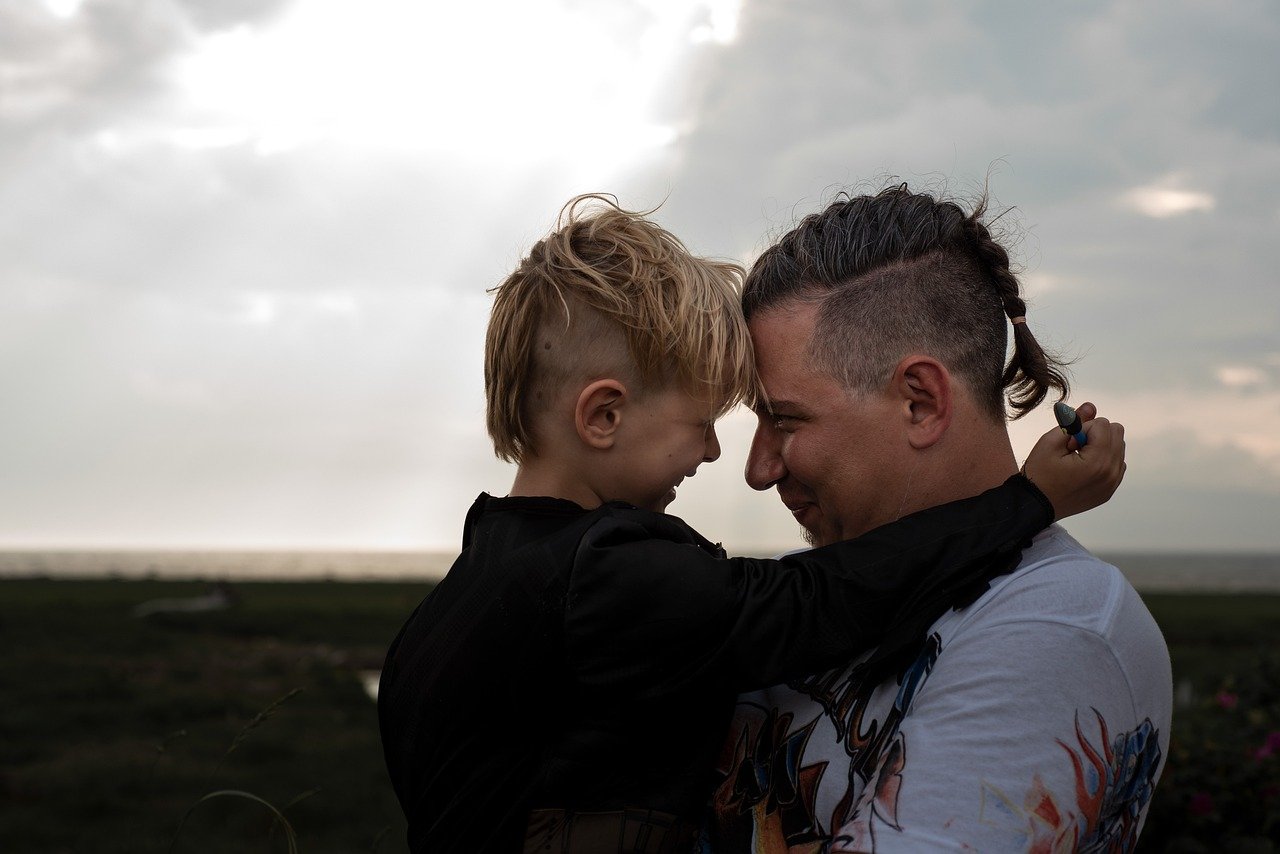

Children experience many emotions every day, but knowing how to explain those emotions is not always easy for them. A child may feel angry, disappointed, worried, excited, jealous, embarrassed, or sad without having the words to describe what is happening inside. When children cannot communicate their feelings clearly, they may cry, shout, become quiet, argue, or behave in ways that adults find difficult to understand.
Teaching children to express their feelings clearly is an important part of raising emotionally confident and socially capable individuals. Children who learn to recognize and communicate emotions can develop healthier relationships, handle disagreements more effectively, and become better at managing difficult situations.
Emotional expression is not something children automatically master as they grow. It is a skill that develops through everyday conversations, patient guidance, and positive examples from parents and caregivers. The good news is that parents do not need complicated methods to teach this skill. Simple activities and thoughtful conversations can make a meaningful difference.
Why Children Need to Learn About Their Feelings
Feelings influence the way children think and behave. A child who is frustrated may refuse to cooperate, while a child who feels nervous may avoid a new activity. Another child may become aggressive because they do not know how to explain that someone hurt their feelings.
When children have the vocabulary to describe their emotions, they have a better chance of communicating what they need.
For example, instead of pushing another child because they are angry, a child can learn to say, “I am angry because you took my toy.”
This does not mean the child will never become upset or make mistakes. Emotional skills do not remove difficult feelings. They give children better ways to respond to those feelings.
Learning emotional expression can also help children develop empathy. Once children understand their own emotions, they can gradually become more aware of how other people may feel.
Start by Naming Basic Emotions
One of the easiest ways to teach emotional expression is to help children learn the names of common feelings.
Start with simple emotions such as happy, sad, angry, scared, excited, worried, tired, and frustrated. Young children usually understand these words more easily when adults connect them with real situations.
You might say, “You look sad because your friend went home.”
You can also say, “You seem excited because we are going to the park.”
These simple statements help children connect emotional words with experiences.
Avoid turning every conversation into a lesson. Instead, introduce emotional vocabulary naturally during daily life. When a child sees a character crying in a story, ask how the character might be feeling. When your child becomes excited about a birthday, talk about that excitement.
Over time, children begin to use these words themselves.
Teach Children That Every Feeling Is Acceptable
Children sometimes believe that certain emotions are bad. They may hear adults say that they should not be angry, scared, or sad. While some behaviors are unacceptable, the emotions behind those behaviors are not necessarily wrong.
It is important to teach children that feelings are normal while also teaching them that behavior has boundaries.
You can tell a child, “It is okay to feel angry. It is not okay to hit someone.”
This distinction is extremely useful. It teaches children that they do not have to feel ashamed of their emotions, while still helping them understand responsibility.
A child who believes that anger is unacceptable may try to hide it. A child who understands that anger is normal can learn healthier ways to express it.
Listen Without Immediately Correcting Them
When children share their feelings, parents sometimes respond by trying to solve the problem immediately. Although advice can be helpful, children often need to feel heard before they are ready to accept a solution.
If your child says, “Nobody wants to play with me,” avoid immediately saying, “That is not true. You have many friends.”
Instead, try saying, “That sounds lonely. Tell me what happened.”
This gives the child an opportunity to explain the situation.
Listening does not mean agreeing with everything the child says. It simply means giving them enough attention to understand what they are experiencing.
When children discover that adults listen to them without immediately judging them, they are more likely to communicate openly in the future.
Ask Open Ended Questions
Questions can encourage children to think about and describe their emotions.
Instead of asking, “Are you angry?” try asking, “How did that make you feel?”
Instead of asking, “Are you scared?” try saying, “What part of this situation is making you nervous?”
Open ended questions give children more freedom to explain themselves.
Young children may not always provide detailed answers. That is perfectly normal. Give them time and avoid pressuring them to speak before they are ready.
Sometimes children need a few moments to understand their own feelings before they can explain them.
Teach Children to Connect Feelings With Reasons
Knowing the name of an emotion is useful, but children should eventually learn to explain why they feel that way.
A helpful sentence structure is:
“I feel _____ because _____.”
For example:
“I feel sad because my friend did not invite me.”
“I feel angry because my brother broke my toy.”
“I feel nervous because I have to speak in front of the class.”
Practice this structure during ordinary conversations. You can also use it yourself.
For example, a parent might say, “I feel tired because I had a busy day.”
Children learn a great deal by observing how adults communicate.
Use Stories to Discuss Emotions
Books are an excellent way to help children understand feelings because stories allow them to explore emotional situations from a safe distance.
After reading a story, ask questions such as:
“How do you think the character felt?”
“Why do you think she was upset?”
“What could the character have said?”
“What would you do if you were in that situation?”
There is no need for every answer to be perfect. The purpose is to encourage children to think about emotions and communication.
Stories can also help children understand that different people may react differently to similar situations.
Use Drawing as an Alternative to Talking
Some children find it difficult to explain their emotions verbally. Drawing can give them another way to communicate.
Ask your child to draw a picture showing how they feel. You might ask them to draw a happy moment, a frustrating moment, or something that made them worried.
Afterward, gently ask about the picture.
“What is happening here?”
“How were you feeling at this moment?”
“What happened before this?”
Drawing should not feel like a test. Let the child decide what to draw and how much to explain.
This activity can be especially helpful for children who need extra time to organize their thoughts.
Teach Children to Notice Physical Signs of Emotions
Feelings often create physical sensations. Teaching children to notice these signs can help them recognize emotions before those emotions become overwhelming.
For example, anger may cause tight muscles, a faster heartbeat, or clenched fists. Nervousness may cause butterflies in the stomach. Fear may make a child want to hide or move away.
You can say, “When you feel angry, does your body feel tight?”
Helping children notice these signals gives them an early warning that they may need to pause and communicate.
The goal is not to make children monitor themselves constantly. It is simply to help them become more aware of the connection between emotions and their bodies.
Give Children Useful Words for Difficult Moments
Children may know they are upset but still struggle to explain what they need.
Teach simple phrases they can use during challenging situations.
“I need some space.”
“I do not like that.”
“Please stop.”
“I am feeling upset.”
“Can you help me?”
“I need a break.”
“I want to explain what happened.”
These phrases give children practical tools for real situations.
Practice them when everyone is calm. Children are more likely to remember useful phrases when they have already practiced them before facing a stressful moment.

Model Healthy Emotional Expression
Parents and caregivers are among the most important emotional examples in a child’s life.
Children watch how adults respond to stress, disappointment, frustration, and conflict. If adults regularly shout when they are angry, children may learn that shouting is the normal way to communicate anger.
This does not mean parents must hide their emotions. In fact, healthy emotional honesty can be very useful.
A parent might say, “I am frustrated right now, so I am going to take a few minutes to calm down.”
This teaches children that strong emotions can be managed without hurting other people.
Parents can also apologize when they make mistakes. Saying, “I was upset and I spoke too loudly. I am sorry,” demonstrates responsibility and emotional awareness.
Avoid Making Fun of Children’s Feelings
A child may become deeply upset about something that seems small to an adult. Perhaps a favorite toy breaks or a friend does not sit beside them at lunch.
Adults may think the problem is unimportant, but the child’s feelings are still real.
Comments such as “That is nothing to cry about” can teach children to doubt their emotions.
Instead, acknowledge the feeling while keeping the situation in perspective.
“You are really disappointed because you wanted to play with that toy. I understand.”
This does not mean giving children everything they want. It means showing them that their emotional experience deserves respectful attention.
Teach Children That They Can Change Their Minds
Children sometimes express strong feelings and later realize that they misunderstood a situation.
For example, a child may say, “My teacher hates me.”
After discussing what happened, they may realize that the teacher was simply correcting their behavior.
Teach children that feelings can change as they learn more information.
You can say, “It sounded that way to you at first. After talking about it, do you feel differently now?”
This helps children understand that emotions are important but do not always tell the complete story.
Practice Emotional Conversations During Calm Moments
Trying to teach emotional communication during a major tantrum is often difficult. Children may not be ready to listen when they are overwhelmed.
Instead, practice when everyone is calm.
You can role play common situations. Pretend that someone takes your child’s toy and ask what they could say. Pretend that they lose a game and practice expressing disappointment.
Keep these activities short and enjoyable.
The goal is to build familiarity, not perfection.
Teach Children How to Handle Anger
Anger deserves special attention because children may express it through shouting, hitting, throwing things, or refusing to cooperate.
Teach children that anger is a signal that something feels wrong or unfair, but anger does not give them permission to hurt others.
Help them identify safe responses.
They can take a short break, breathe slowly, talk to an adult, use words to explain the problem, or move to a quiet place until they feel calmer.
Once the child is calm, discuss what happened.
Ask, “What made you angry?”
“What did you want to happen?”
“What could you say next time?”
This turns a difficult experience into an opportunity to learn.
Encourage Children to Express Positive Feelings Too
Emotional communication should not focus only on negative emotions.
Children should also learn how to express happiness, gratitude, excitement, affection, pride, and appreciation.
Encourage them to say things such as:
“I am happy you came.”
“I am proud of myself.”
“I really enjoyed that.”
“Thank you for helping me.”
“I was excited about this.”
Positive emotional expression strengthens relationships and helps children become comfortable talking about emotions in general.
Respect Different Communication Styles
Not every child expresses feelings in the same way. Some children talk easily, while others are quiet. Some children prefer writing or drawing. Others may need time before discussing an emotional experience.
Parents should avoid comparing siblings or classmates.
Instead of saying, “Your sister tells me everything,” focus on your individual child’s communication style.
You can say, “Whenever you are ready, I am here to listen.”
This creates a sense of safety without forcing the child to communicate in a particular way.
Help Children Communicate During Conflicts
Arguments between children are normal. These moments can become opportunities to teach emotional communication.
When two children are arguing, help them take turns explaining what happened.
Encourage each child to use statements beginning with “I.”
For example:
“I felt upset when you took my pencil.”
“I wanted to use it because I was drawing.”
This approach focuses on feelings and experiences rather than blaming.
Parents should also avoid automatically choosing a side before understanding the situation.
The goal is not always to determine who is right. Sometimes the more valuable lesson is learning how to communicate, listen, and find a solution.
Be Patient With Emotional Development
Children develop emotional skills gradually. A young child may understand the word angry but struggle to control their behavior. An older child may have a large emotional vocabulary but still become overwhelmed during stressful situations.
Progress is rarely perfectly consistent.
A child may communicate beautifully one day and have a major emotional outburst the next. This does not mean that learning has failed.
Continue modeling healthy communication and provide opportunities to practice.
Small improvements over time can lead to significant emotional growth.
When Children Need Additional Support
Most children can improve their emotional communication with guidance, patience, and practice. However, parents may sometimes notice ongoing difficulties that interfere with school, friendships, family life, or everyday activities.
If a child consistently struggles to communicate emotions, experiences severe emotional distress, or displays behavior that is difficult to manage, parents may consider speaking with a qualified pediatrician, school counselor, psychologist, or other appropriate professional.
Seeking guidance is not a sign that a parent has failed. Children sometimes need additional support while developing emotional and communication skills.
Final Thoughts
Teaching children to express their feelings clearly is a long term process rather than a single lesson. Children learn through conversations, stories, play, observation, and everyday experiences.
The most important thing parents can provide is a safe environment where emotions can be discussed without shame. Children need to understand that feelings are normal, while also learning that their actions should remain respectful and safe.
Start with simple emotional words. Listen carefully. Ask open questions. Teach children to explain why they feel a certain way. Give them useful phrases for difficult moments and show them healthy emotional communication through your own behavior.
With consistent encouragement, children can gradually become more comfortable identifying what they feel and explaining those feelings to others. This skill can support them throughout childhood and into adulthood, helping them build stronger relationships, make better decisions, and handle life’s challenges with greater confidence.