 yaort
yaort
Related Articles



Trust is one of the most important parts of a healthy relationship between parents and children. When children trust their parents, they feel comfortable sharing their thoughts, asking questions, admitting mistakes, and seeking help when they need it. A trusting relationship does not mean that parents allow children to do whatever they want. Instead, it means children understand that their parents are dependable, caring, honest, and willing to listen.
Building trust takes time. It develops through everyday conversations, small promises, thoughtful actions, and consistent behavior. Parents do not need to be perfect to earn their children’s trust. What matters most is creating an environment where children feel respected, heard, and emotionally safe.
Whether a child is very young or entering the teenage years, parents can strengthen trust through simple habits. Here are some practical ways to build a stronger and more trusting relationship with children.
Listen Without Immediately Judging
One of the easiest ways to build trust is to become a good listener. Children often have thoughts and experiences that seem small to adults but feel extremely important to them.
When a child talks about a problem at school, an argument with a friend, or something that made them uncomfortable, parents should try to listen before giving advice. Interrupting, criticizing, or immediately explaining what the child did wrong can make them less willing to talk in the future.
Instead, give the child your attention. Put aside your phone when possible, make eye contact, and allow them to finish speaking. Simple responses such as “I understand why that upset you” can show that their feelings matter.
Listening does not mean agreeing with everything a child says. Parents can still explain their perspective after the child feels heard. The important thing is to create a conversation rather than turning every discussion into a lecture.
Keep Promises Whenever Possible
Children learn about trust by watching what their parents do. If a parent frequently makes promises and does not keep them, children may eventually stop believing what they hear.
Parents should therefore avoid making promises they cannot reasonably fulfill. If you tell your child that you will attend a school event, call them at a certain time, or spend time together after work, make a genuine effort to follow through.
Of course, unexpected situations happen. Parents may sometimes have to change plans. When this happens, explain the reason honestly rather than ignoring the promise.
Keeping small promises can be just as important as keeping major ones. A child may remember that a parent consistently showed up when they said they would. These repeated experiences gradually create a sense of reliability.
Be Honest With Your Children
Honesty is a foundation of trust. Parents do not need to share every adult problem with their children, but they should avoid unnecessary lies.
Children are often more observant than adults realize. They can notice when a parent gives an explanation that does not make sense. If they repeatedly discover that information was hidden or changed, they may become hesitant to believe their parents.
Honesty can also involve admitting when you do not know something. Saying “I am not sure, but we can find out together” teaches children that honesty is more valuable than pretending to have every answer.
Parents should also explain difficult situations in an age appropriate way. Young children need simple explanations, while older children can usually understand more detail. Honest communication helps children develop confidence in their parents.
Admit Your Own Mistakes
Parents sometimes feel that admitting mistakes will make them appear weak. In reality, acknowledging mistakes can strengthen a child’s respect and trust.
If you lose your temper, misunderstand a situation, or say something unfair, consider apologizing. A simple apology can teach children that responsible people accept their mistakes.
For example, a parent might say, “I was frustrated earlier and I spoke too harshly. I am sorry.”
This does not reduce parental authority. Instead, it demonstrates accountability.
Children also learn by example. When parents apologize sincerely, children are more likely to understand that making mistakes is normal and that taking responsibility is an important part of healthy relationships.
Respect Their Feelings
Children experience emotions differently at different ages. Something that seems minor to an adult can feel overwhelming to a child.
Telling a child that they are overreacting may cause them to hide their feelings. Instead, parents can acknowledge the emotion while still helping the child handle it appropriately.
You might say, “I can see that you are really disappointed,” or “It sounds like that situation made you angry.”
Acknowledging feelings does not mean allowing inappropriate behavior. A parent can recognize a child’s anger while explaining that shouting at another person is not acceptable.
When children learn that their emotions can be discussed without embarrassment or punishment, they become more comfortable communicating honestly.
Give Children Age Appropriate Choices
Trust grows when children are given reasonable opportunities to make decisions. This does not mean allowing them to control every situation. Parents can provide choices that match the child’s age and maturity.
For example, a younger child might choose between two outfits. An older child might decide when to complete homework within an agreed schedule. Teenagers can gradually receive more responsibility for personal decisions.
Giving children appropriate choices teaches independence and shows that their opinions have value.
Parents should also allow children to experience reasonable consequences. Making every decision for a child may prevent them from learning how to solve problems independently.
Avoid Using Fear as the Main Discipline Method
Discipline is an important part of parenting, but constant fear can damage trust. If children believe that every mistake will lead to shouting, humiliation, or extreme punishment, they may begin hiding problems instead of asking for help.
Effective discipline focuses on teaching rather than frightening.
Parents can explain what behavior was inappropriate, discuss the consequences, and help the child understand what they can do differently next time.
Rules should be clear and consistent. Children should know what is expected of them and why certain boundaries exist.
A calm approach does not mean being permissive. Parents can remain firm while communicating respect.
Protect Their Privacy
As children grow older, privacy becomes increasingly important. Parents naturally want to know that their children are safe, but constantly invading personal space can make children feel that they are not trusted.
The appropriate level of privacy depends on age, maturity, and safety concerns. Young children need more supervision, while teenagers generally need more personal space.
Parents can establish clear expectations around privacy instead of secretly monitoring everything. Open communication about online activity, friendships, school, and personal concerns can create a healthier relationship.
If there is a serious safety concern, parents may need to become more involved. Even then, explaining the reason for increased supervision can help preserve trust.
Spend Quality Time Together
Building trust does not always require serious conversations. Sometimes it happens during ordinary activities.
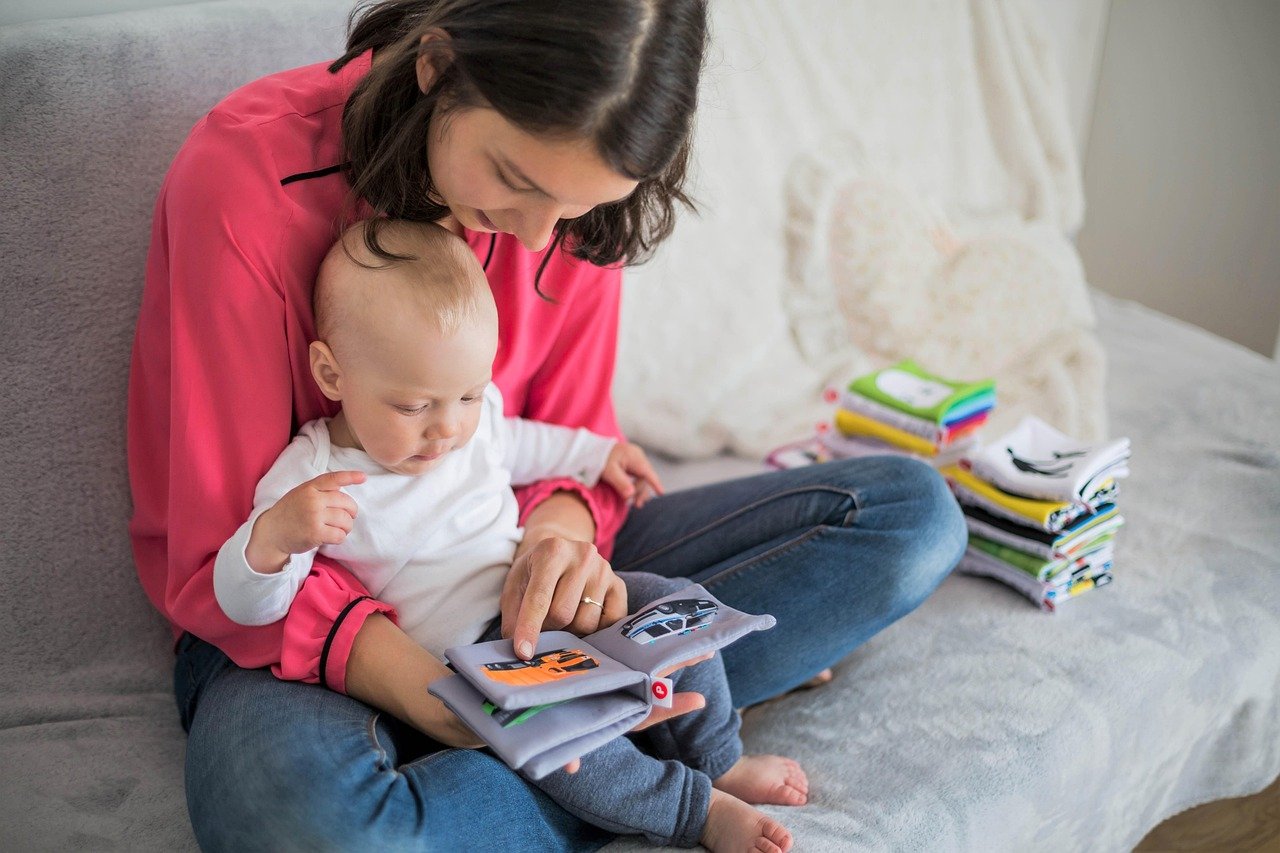
Parents can cook together, take a walk, play a game, read a book, visit a park, or simply sit together and talk. These moments provide opportunities for natural communication.
Quality time is more about attention than expense. A child does not necessarily need expensive trips or gifts to feel connected to a parent. What often matters is knowing that their parent genuinely enjoys spending time with them.
Try to create regular moments when distractions are limited. Even a short daily conversation can become an important part of a child’s routine.
Show Interest in Their World
Children and parents may have very different interests. A child might enjoy a particular sport, game, hobby, book, or type of music that the parent does not personally understand.
Showing curiosity can help strengthen the relationship.
Ask your child what they enjoy and why they like it. Watch them play their favorite sport. Let them explain a game or show you something they have learned.
Parents do not need to become experts in everything their children enjoy. Simply showing interest communicates an important message: “The things that matter to you matter to me.”

Avoid Comparing Children With Others
Comparisons can weaken trust and confidence. Statements such as “Why can you not be more like your brother?” or “Your friend is doing much better than you” can make children feel inadequate.
Every child develops differently. One child may perform well academically, while another may excel at sports, creativity, communication, or practical skills.
Instead of comparing children with other people, parents can focus on individual progress.
Praise effort, improvement, responsibility, and persistence. This encourages children to develop their own strengths rather than constantly trying to meet someone else’s standard.
Give Praise That Feels Genuine
Children need encouragement, but praise is most effective when it is sincere and specific.
Instead of repeatedly saying “You are the best,” parents can recognize a particular effort.
For example, “You worked hard on that project” or “I noticed that you helped your sister without being asked.”
Specific praise helps children understand which behaviors are valuable. It also feels more genuine than constant compliments.
Parents should avoid making children believe that they must always succeed to earn approval. Children need to know that their parents love and support them even when they fail.
Allow Them to Make Mistakes
Mistakes are a natural part of growing up. Children need opportunities to learn from them.
If a child forgets homework, makes a poor decision, or handles a situation badly, the parent can help them understand what happened instead of immediately solving every problem.
Ask questions such as, “What do you think went wrong?” or “What could you try differently next time?”
This approach encourages problem solving.
Parents should still step in when a situation involves serious danger or harm. However, allowing children to experience reasonable consequences can prepare them for greater independence later in life.
Talk About Difficult Topics
Trust becomes especially important when children face difficult subjects. These may include bullying, friendships, school pressure, online behavior, relationships, failure, or personal worries.
If parents avoid uncomfortable conversations, children may search for answers from unreliable sources or people who do not have their best interests in mind.
Parents do not need to have a perfect speech prepared. They can start with simple questions and allow the conversation to develop naturally.
Creating an atmosphere where children can ask difficult questions without immediate embarrassment or anger can make a major difference.
Be Consistent With Rules
Children often become confused when rules change depending on a parent’s mood.
Consistency does not mean every situation must receive exactly the same response. Circumstances matter. However, the basic expectations should remain reasonably clear.
If a rule exists, explain why it exists. If an exception is necessary, explain that too.
Consistent parenting helps children understand boundaries and creates a sense of stability. They know what to expect from their parents, which makes the relationship feel more secure.
Respect Their Opinions
Children should not be expected to make every family decision, but their opinions deserve consideration.
Ask what they think about appropriate family matters. Listen to their ideas even when you eventually make a different decision.
A parent can say, “I understand your point, but we are going to choose this option because of these reasons.”
This teaches children that disagreement does not automatically mean rejection.
As children grow, respectful discussions can help them develop communication skills, confidence, and the ability to consider different perspectives.
Do Not Use Their Secrets Against Them
When a child shares something personal, parents should treat that information carefully. If children discover that their private conversations are later used to embarrass or punish them, they may stop opening up.
There are exceptions when safety is involved. If a child reveals something suggesting that they or someone else may be in serious danger, a parent may need to seek appropriate help.
In ordinary situations, however, private conversations should be handled respectfully.
Children need to know that opening up to a parent will not automatically become a source of embarrassment later.
Stay Calm During Difficult Conversations
Parents will sometimes disagree with their children. Strong emotions are natural, but shouting can make productive communication difficult.
If a conversation becomes too emotional, it can be helpful to pause and return to the issue after everyone has calmed down.
Staying calm does not mean ignoring unacceptable behavior. It means addressing the behavior without allowing anger to control the conversation.
Children learn emotional regulation by observing adults. A parent who can handle conflict calmly provides a powerful example.
Make Family Communication a Habit
Trust is easier to maintain when communication happens regularly rather than only during problems.
Families can develop simple routines such as talking during meals, having a short conversation before bedtime, or spending time together on weekends.
These routines create natural opportunities for children to share what is happening in their lives.
A child who regularly communicates with parents may find it easier to discuss serious problems when they arise.
Support Their Independence
As children grow, parents need to gradually adjust their role. A young child may need direct guidance for many activities, while an older child may need encouragement and occasional advice.
Supporting independence means giving children opportunities to handle age appropriate responsibilities.
Parents can teach children how to organize schoolwork, manage belongings, solve everyday problems, and make thoughtful decisions.
The goal is not to remove parental support. It is to help children become capable while knowing that their parents remain available when needed.
Show Unconditional Love
Perhaps the most important part of building trust is making children feel loved even when they make mistakes.
Children should understand that poor grades, failures, disagreements, or mistakes do not remove their value within the family.
Parents can communicate this through words and actions. A hug, a supportive conversation, encouragement after failure, or simply being present can provide reassurance.
Discipline may address behavior, but love should remain consistent.
When children know that their parents will continue to care about them during difficult moments, they are more likely to seek guidance rather than hide problems.
Final Thoughts
Building trust between parents and children is not a one time task. It is a relationship that develops through hundreds of small interactions over the years.
Listening carefully, keeping promises, respecting feelings, admitting mistakes, protecting reasonable privacy, spending quality time together, and communicating honestly can all strengthen that relationship.
Parents do not need to handle every situation perfectly. What matters is creating a consistent environment where children feel safe enough to speak honestly and know that their parents will take them seriously.
Trust grows when children repeatedly experience reliability, respect, patience, and genuine care. These simple habits can help create a stronger family relationship and give children the confidence to approach their parents when they need support.
A trusting relationship does not mean there will never be disagreements. Healthy families can disagree while still showing love and respect. The real goal is to create a relationship where children know that their parents are there to guide them, listen to them, and support them as they grow.