 yaort
yaort
Related Articles
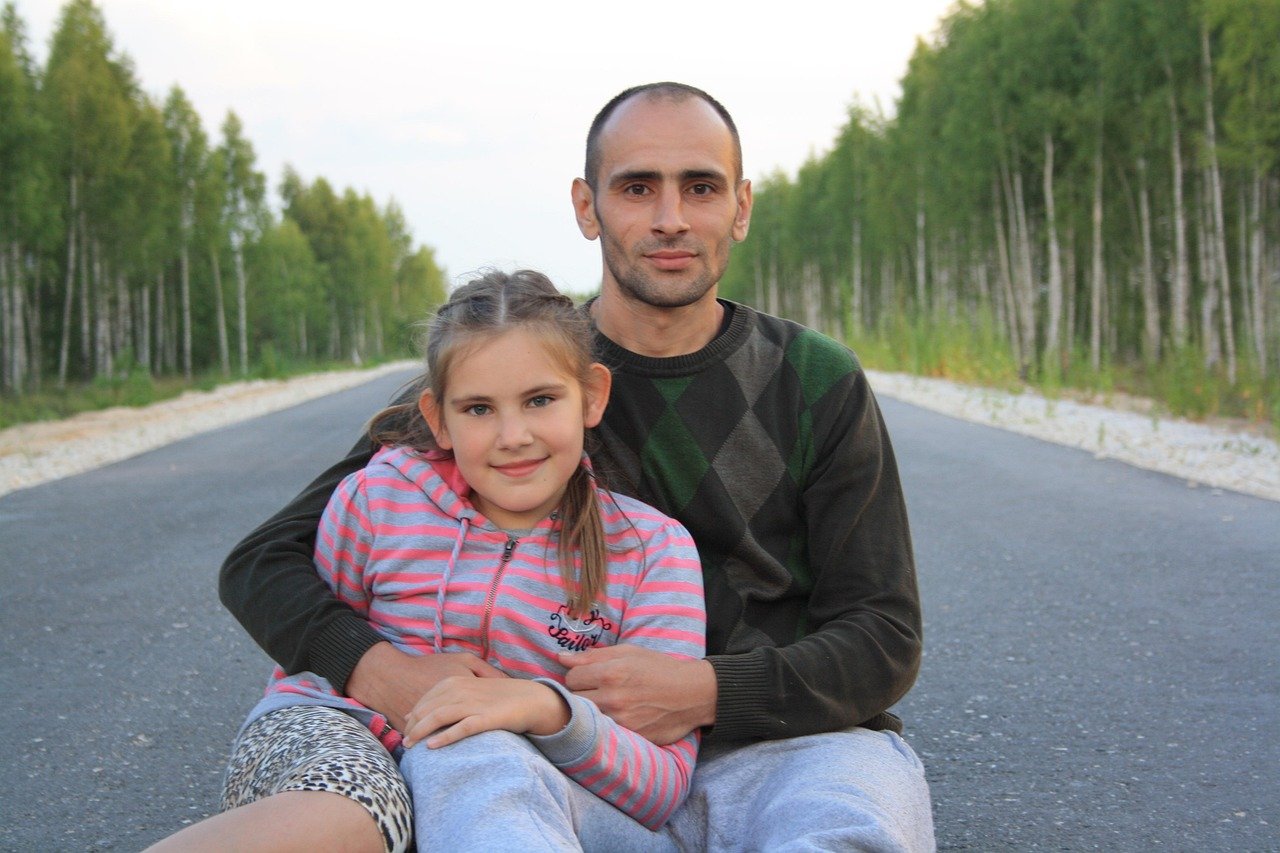

Weekends give families a valuable opportunity to slow down, spend time together, and enjoy life away from the pressure of school, work, and daily responsibilities. During busy weekdays, family members may have very little time to sit together and talk. A meaningful weekend tradition can create a special space where everyone feels connected and valued.
Family traditions do not have to be expensive, complicated, or time consuming. In fact, some of the most memorable family traditions are simple activities that happen regularly. A Saturday breakfast, a Sunday evening walk, a family game night, or cooking a favorite meal together can become something children look forward to every week.
The real purpose of weekend traditions is not to create a perfect schedule. It is to build memories, strengthen relationships, and give family members a sense of belonging. When children grow older, they may not remember every gift they received or every place they visited, but they often remember the simple moments they shared with their parents and siblings.
Why Weekend Traditions Matter
Modern family life can become very busy. Parents have work responsibilities, children have school and homework, and everyone may have personal activities. Even when family members live in the same home, they may spend much of their time doing separate things.
Weekend traditions provide a regular opportunity to reconnect. They give families something enjoyable to share and create a sense of stability.
Children especially benefit from predictable family activities. Knowing that the family always has a special activity on a particular day can give them something positive to anticipate. It also helps them understand that family time is important.
Traditions can also improve communication. When families spend relaxed time together, conversations often happen naturally. A child may talk about something that happened at school while preparing breakfast or during a family walk.
These ordinary conversations can become important moments of connection.
Start With Simple Ideas
One of the biggest mistakes families make is believing that a meaningful tradition must be impressive. It does not.
A tradition can begin with something as simple as making pancakes together every Saturday morning. Parents can prepare the ingredients while children help mix the batter. Another family might choose Sunday evening as a time to watch a family friendly movie together.
The important thing is consistency.
When an activity happens regularly, it becomes familiar and special. The family starts to associate that activity with togetherness.
Simple traditions are also easier to maintain. If a tradition requires too much money, preparation, or travel, families may eventually stop doing it.
Have a Special Family Breakfast
A family breakfast can become one of the easiest weekend traditions.
During weekdays, breakfast is often rushed. Everyone may be preparing for school or work. The weekend provides an opportunity to slow down and enjoy a meal together.
Families can choose one special breakfast meal for Saturday or Sunday. It could be pancakes, eggs, homemade sandwiches, fresh fruit, or another favorite food.
Children can participate by setting the table, preparing simple ingredients, or choosing the breakfast menu.
The meal does not need to be perfect. The real value comes from sitting together without rushing.
Parents can use breakfast as a chance to ask simple questions such as what everyone is looking forward to during the coming week or what made them happy recently.
Create a Family Game Night
A family game night is another excellent weekend tradition.
Board games, card games, puzzles, and simple indoor games can bring family members together without requiring expensive equipment.
Game nights also teach children useful social skills. They learn how to take turns, follow rules, handle disappointment, and celebrate other people’s success.
Parents should remember that the purpose is not always to win. The main purpose is to enjoy time together.
If children are different ages, families can choose games that allow everyone to participate. Older children can sometimes help younger siblings understand the rules.
Over time, a particular game may become associated with family memories.
Take a Weekend Family Walk
Families do not need a large budget to create meaningful memories.
A regular weekend walk can become a wonderful tradition. Families can walk around the neighborhood, visit a nearby park, or explore a safe public area.
Walking gives family members time to talk without the distractions that often come with phones, television, and other devices.
Children may notice small things during walks that adults normally ignore. They might become interested in flowers, birds, buildings, trees, or changes in the weather.
Parents can use these moments to encourage curiosity and conversation.
A weekend walk can also help children develop an appreciation for outdoor activities.
Cook a Favorite Meal Together
Cooking together can turn an ordinary weekend into a meaningful family experience.
Families can choose one meal to prepare together every weekend. Children can participate according to their age and ability.
Younger children might wash vegetables or arrange ingredients. Older children can help with measuring, mixing, or preparing simple dishes under adult supervision.
Cooking teaches children practical skills while giving families an opportunity to communicate.
Families can also create a special recipe collection. Every few weeks, someone in the family can choose a favorite meal to prepare.
Eventually, these recipes may become part of the family’s history.
Create a Family Reading Tradition
Reading together is another valuable weekend activity.
Families can choose a particular time for reading, such as Saturday afternoon or Sunday evening. Parents and children can read different books in the same room or take turns reading a story aloud.
For younger children, parents can read picture books or short stories. Older children may prefer novels, adventure stories, biographies, or books about subjects they enjoy.
A family reading tradition encourages children to develop a positive relationship with books.
Parents can also discuss the stories afterward. Asking children what they liked about a character or what they would have done differently can lead to interesting conversations.
Have a Technology Free Hour
Technology is a major part of modern family life. Phones, tablets, computers, and television can easily take up much of the weekend.
Families can create a small technology free period instead of trying to remove technology for the entire weekend.
For example, the family could choose one hour on Saturday evening when everyone puts devices away.
During that time, family members can talk, play games, cook, walk, draw, or simply sit together.
The goal is not to make technology seem bad. It is simply to create space for face to face interaction.
When parents participate in the tradition themselves, children are more likely to follow it.
Start a Weekend Family Project
A family project can make weekends more interesting and give everyone a shared goal.
The project could involve gardening, organizing a room, creating a scrapbook, painting something, building a simple craft, or improving an outdoor space.
The project should be appropriate for the family’s time and resources.
Children often enjoy seeing progress. If the project continues for several weeks, they can see how small efforts eventually create a bigger result.
Parents can also use these projects to teach patience, teamwork, planning, and responsibility.
Make a Weekend Memory Journal
A family memory journal can become a special tradition that lasts for years.
Each weekend, one family member can write a few sentences about something enjoyable that happened. Children can draw pictures or add simple notes.
The journal does not need to contain long entries.
A few lines about a family meal, funny conversation, walk, game, or visit can be enough.
After several months or years, the family can read the journal together. These old entries can bring back memories that might otherwise be forgotten.
Children may especially enjoy seeing what they thought and enjoyed when they were younger.
Celebrate Small Family Achievements
Families often celebrate major events such as birthdays, holidays, and graduations. However, small achievements also deserve attention.
A weekend tradition can include a few minutes to recognize something positive that happened during the week.
Perhaps a child improved at school, helped a sibling, learned a new skill, completed a difficult task, or showed kindness to someone.
Parents can encourage everyone to share one thing they are proud of.
This tradition teaches children to notice progress instead of focusing only on big accomplishments.
Let Children Help Choose the Tradition
Weekend traditions become more meaningful when children have a voice in them.
Parents can ask children what activities they enjoy doing together. The family can then choose a few ideas that are practical.
Giving children some responsibility also helps them feel that they are important members of the family.
One weekend could be chosen by the parents and another by the children. This creates variety while keeping the tradition consistent.
Children are often more excited about family activities when they have helped create them.
Keep Traditions Flexible
A meaningful family tradition should not become a source of stress.
Sometimes a family member may have work, school activities, illness, travel plans, or another responsibility. In such situations, the tradition can be moved to another day.
The important thing is the connection, not the exact schedule.
Families should avoid feeling guilty when they cannot follow a tradition perfectly. The purpose is to enjoy time together, not to create another responsibility.
Flexibility also allows traditions to change as children grow.
A game that young children love may not interest teenagers several years later. Families can update their traditions while keeping the basic idea of regular family time.
Create Seasonal Weekend Traditions
Families can also create traditions that change with the seasons.
During warmer months, families might have outdoor breakfasts, garden together, visit parks, or enjoy evening walks.
During colder months, families might spend more time cooking, reading, playing board games, or watching family movies.
Seasonal traditions can make the year feel more interesting.
Children may begin looking forward to certain activities as a particular season approaches.
These traditions also create strong memories because they connect family experiences with different times of the year.
Focus on Connection Instead of Perfection
Parents sometimes worry about making family time special enough. They may think they need to plan trips, buy new games, or prepare complicated meals.
This can create unnecessary pressure.
Meaningful family traditions are usually built around attention rather than money.
A parent who listens carefully to a child, laughs with them, asks about their interests, or helps them with a small project is creating a valuable memory.
Children do not need perfect weekends. They need parents who are present and interested in spending time with them.
Make Time for Family Conversations
A weekend tradition can also include a regular family conversation.
Families can sit together and talk about the week. Everyone can share something positive, something difficult, and something they are looking forward to.
The conversation should not feel like an interrogation.
Parents should also share their own experiences. When adults talk openly about ordinary challenges and successes, children learn that communication is a normal part of family life.
These conversations can strengthen trust and help parents understand what is happening in their children’s lives.
Include Acts of Kindness
Families can make weekends meaningful by helping others together.
They might prepare food for someone, help an elderly neighbor with a simple task, donate useful items, clean a shared community space, or perform another appropriate act of kindness.
Children learn an important lesson when they see their parents helping others without expecting something in return.
The activity does not have to be large. Even a small act can become meaningful when it is done together.
A family kindness tradition can teach children empathy, generosity, and responsibility.
Take Photos Without Making Everything About Photos
Families may enjoy taking a photo during a weekend activity. These pictures can help preserve memories.
However, families should avoid spending the entire experience taking photographs or recording videos.
The most important part is being present.
A simple photo at the end of a family activity can be enough. Over time, these pictures can become a collection of family memories.
Parents can also encourage children to choose one photo each month that represents a favorite family moment.
Build Traditions Around Family Values
The strongest traditions often reflect what a family considers important.
If a family values learning, weekends might include reading or visiting educational places.
If a family values health, weekend walks or outdoor activities may become traditions.
If a family values kindness, helping others can become part of the weekend.
When traditions reflect family values, they teach children those values through experience rather than lectures.
Children learn by watching what their parents repeatedly choose to do.
Allow Traditions to Grow With the Family
Families change over time.
Young children eventually become teenagers, teenagers become adults, and family responsibilities change.
A tradition that works perfectly today may need to change in the future.
The key is to preserve the feeling of connection rather than the exact activity.
For example, a family may begin with a Saturday morning park visit when children are young. Later, that tradition might become a weekend breakfast followed by a walk or conversation.
The activity changes, but the family connection remains.
Final Thoughts
Creating meaningful weekend traditions does not require a large budget, complicated planning, or special equipment. The most important ingredient is consistent time together.
Families can create traditions through simple activities such as shared breakfasts, family walks, cooking, reading, games, conversations, kindness projects, and technology free time.
What makes these activities special is repetition and emotional connection. When children know that their family regularly makes time for them, they develop a stronger sense of belonging.
Parents should focus on creating moments that feel natural and enjoyable rather than trying to make every weekend perfect. A tradition should bring family members closer, not create additional pressure.
Years later, children may forget exactly what they received or where they went every weekend. However, they are likely to remember the feeling of sitting around the table, laughing during a game, helping prepare a meal, walking beside their parents, or listening to stories together.
That is the real value of family traditions. They turn ordinary weekends into memories that can remain meaningful for a lifetime.