 yaort
yaort
Children are naturally curious. They want to touch things, ask questions, try new activities, make choices, and discover how the world works. From a very young age, children learn by exploring their surroundings. When parents give children safe opportunities to explore independently, they allow them to develop important skills that can support them throughout life.
Independent exploration does not mean leaving children completely alone or allowing them to do whatever they want without guidance. It means giving children enough freedom to make simple choices, investigate interesting things, solve small problems, and learn from their own experiences. Parents can remain nearby while allowing children to take the lead.
In a world where children often have busy schedules and many activities planned by adults, independent exploration can become less common. However, children need time when they can decide what to do and discover things at their own pace. This type of experience can support confidence, creativity, problem solving, decision making, and emotional development.
What Is Independent Exploration?
Independent exploration is the process of allowing children to investigate their surroundings, activities, objects, and ideas with limited adult direction. The child takes an active role instead of simply following instructions.
For example, a child might build something with blocks without being told what to make. Another child might explore leaves in the garden, organize toy animals, draw a picture, or try to figure out how a simple toy works.
The important part is that the child has some control over the activity. Adults can provide a safe environment and answer questions when necessary, but they do not need to control every step.
Independent exploration can happen at home, in a garden, at a playground, during outdoor activities, or even through simple household tasks.
It Builds Confidence in Children
One of the biggest benefits of independent exploration is that it can help children become more confident.
When a child tries something without immediate adult assistance, the child gets an opportunity to experience personal success. Even a small achievement can make a difference.
Imagine a child trying to complete a simple puzzle. Instead of giving the answer immediately, a parent allows the child to think about the problem. The child tries different pieces and eventually finds the correct one. That moment teaches something important.
The child learns, “I can figure things out.”
These experiences can gradually build self confidence. Children who regularly get opportunities to try things on their own may become more comfortable facing unfamiliar situations.
Parents do not need to praise every small action. Sometimes simply allowing children to experience their own success is enough.
Independent Exploration Develops Problem Solving Skills
Children encounter small problems throughout the day. A toy may not work as expected. A tower may fall down. A puzzle may seem difficult. A drawing may not look the way the child imagined.
These moments can become learning opportunities.
When adults solve every problem for children, children have fewer chances to practice thinking through challenges. Independent exploration gives children space to ask themselves what they can try next.
A child building with blocks might notice that a tall tower keeps falling. The child may try using wider blocks at the bottom. This is a simple example of problem solving.
The child is not only playing. The child is observing, thinking, testing an idea, and learning from the result.
Over time, these experiences can help children develop a more flexible approach to problems.
It Encourages Creativity
Creativity grows when children have freedom to think and create without always being given a fixed answer.
During independent exploration, there does not always need to be one correct result. A child can use ordinary objects in different ways and create something completely new.
For example, a cardboard box can become a house, a shop, a car, a spaceship, or anything else a child imagines.
When adults provide constant instructions, children may focus mainly on completing the task correctly. When children have freedom, they can focus more on ideas.
This is why simple toys and everyday materials can sometimes be more useful for creative play than complicated toys with only one purpose.
Children need opportunities to imagine, experiment, and create.
It Supports Decision Making
Children need practice making decisions just as they need practice reading, writing, and other skills.
Independent exploration gives children simple choices.
A parent might allow a child to choose between drawing, building with blocks, or looking at picture books. Another child might decide which materials to use for a small craft project.
These decisions may seem unimportant to adults, but they give children valuable practice.
Children learn that choices can lead to different results. They also learn to consider what they want and what they need.
As children grow older, decision making becomes more important. Small decisions during childhood can help prepare them for larger responsibilities later in life.
Children Learn From Mistakes
Mistakes are a normal part of learning.
During independent exploration, children may make many small mistakes. They might build something incorrectly, choose the wrong puzzle piece, spill some water during an activity, or discover that an idea does not work.
These experiences can teach children that mistakes are not always something to fear.
If adults immediately correct every mistake, children may become afraid of trying something new. They may start believing that they must always get things right.
Instead, parents can give children time to notice what happened and think about what they might do differently.
This does not mean ignoring serious problems. It simply means allowing children to experience safe and manageable mistakes.
A child who learns that mistakes can lead to new ideas may become more willing to experiment.
It Improves Attention and Concentration
Independent exploration can also help children practice concentration.
When children choose an activity themselves, they may become deeply interested in it. They can spend time examining details, testing ideas, and repeating actions.
A child might spend twenty minutes arranging toy animals or building a road with blocks. An adult might see a simple game, but the child may be practicing focus, planning, and organization.
Children need opportunities to become absorbed in activities without constant interruption.
This can be especially valuable in a busy home where children are regularly moving from one activity to another.
Giving children quiet periods for self directed play can help them develop the ability to stay with an activity for longer periods.
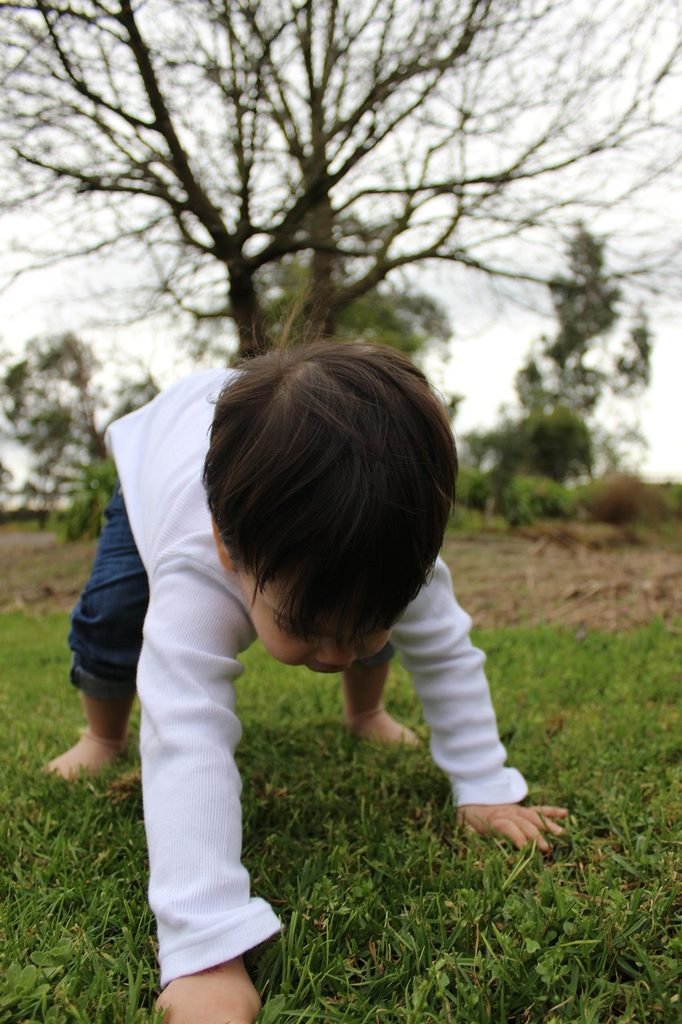
Independent Exploration Supports Curiosity
Curiosity is one of the strongest forces behind childhood learning.
Children naturally ask questions such as why the moon changes shape, where insects live, how plants grow, and why certain objects float while others sink.
Independent exploration gives children opportunities to investigate these questions.
For example, a child interested in plants might notice that some plants have larger leaves than others. The child may begin looking closely at different plants and asking questions.
Parents can support this curiosity by providing safe opportunities to investigate rather than giving an immediate answer every time.
Sometimes a simple response such as “What do you think?” can encourage a child to think more deeply.
Curiosity can turn ordinary moments into valuable learning experiences.
It Helps Children Understand Their Interests
Every child is different. One child may love drawing, while another may enjoy building things. One may be fascinated by insects, while another may enjoy stories or music.
Independent exploration gives children space to discover their personal interests.
If adults always decide what children should do, it can be difficult to know what genuinely interests them.
When children are given different materials and opportunities, their natural preferences become easier to notice.
A child who repeatedly builds structures may enjoy construction and design. A child who spends time organizing objects may enjoy patterns and classification.
Parents can use these observations to provide activities that match the child’s interests.
It Can Strengthen Emotional Development
Children also need opportunities to understand their own feelings.
Independent play can provide quiet time for children to process emotions through imagination and activity.
A child may use dolls or toys to act out situations that happened during the day. Another child might draw pictures to express feelings that are difficult to explain with words.
This type of play can help children explore emotions in a comfortable environment.
Independent exploration also gives children a chance to experience satisfaction, frustration, excitement, and disappointment while having time to manage these feelings.
Parents can support children by staying available without taking control of every situation.
It Teaches Responsibility
Giving children age appropriate freedom can also introduce responsibility.
A child who chooses an activity can learn that the materials need to be returned afterward. A child who decides to work on a craft can learn to organize the supplies.
Parents can create simple expectations.
For example, children can be responsible for putting toys back after independent play. Older children can choose a small project and decide what materials they need.
These experiences teach children that freedom and responsibility can work together.
Outdoor Exploration Offers Special Benefits
Outdoor environments provide many opportunities for independent exploration.
A garden, backyard, park, or other safe outdoor space can give children different textures, sounds, shapes, and natural objects to investigate.
Children can observe leaves, stones, flowers, insects, clouds, and birds. They can walk, collect safe natural objects, draw what they see, or simply observe their surroundings.
Outdoor exploration can also provide physical movement.
Children can practice balance, coordination, and body awareness while walking, climbing, running, or playing.
Parents should always consider the child’s age, environment, and safety needs. Independent exploration should happen within reasonable boundaries.
Parents Can Support Without Taking Over
One of the most important parts of independent exploration is finding the right balance between support and freedom.
Parents should not disappear from the child’s learning experience. Instead, they can become observers and guides.
If a child is struggling with a puzzle, a parent might ask, “What piece could you try next?” rather than immediately solving it.
If a child is building a tower, the parent might ask, “What do you think would make it stronger?”
Questions like these encourage children to think.
The goal is not to make children solve every problem alone. The goal is to give them a chance to think before adults step in.
Create a Safe Environment for Exploration
Children need a safe environment before they can explore independently.
Parents can prepare an area where children can access age appropriate toys, books, art materials, building blocks, and other safe objects.
Safety rules should be clear and simple.
Young children should not have access to dangerous objects, harmful chemicals, sharp tools, or unsafe areas. Outdoor exploration should also happen in an environment appropriate for the child’s age and abilities.
Safety does not mean removing every challenge. Children still need manageable challenges that allow them to develop skills.
The aim is to create an environment where children can explore freely within sensible boundaries.
Give Children Enough Unstructured Time
A busy schedule can leave little room for independent exploration.
Children may have school, homework, activities, family responsibilities, and screen time. If every part of the day is planned, there may be very little time for children to decide what they want to do.
Unstructured time does not have to be long.
Even twenty or thirty minutes can provide an opportunity for children to choose an activity and explore it independently.
During this time, parents can stay nearby while avoiding unnecessary instructions.
The child can decide how to use the available time.
Avoid Comparing Children
Children develop at different speeds and have different interests.
One child may confidently explore new activities while another child may initially prefer having an adult nearby. Parents should avoid comparing children with siblings, classmates, or friends.
Independent exploration should be encouraged gradually.
A child who needs support can start with short periods of independent activity. As confidence grows, the child may naturally become more comfortable exploring for longer periods.
The goal is not to make every child behave in the same way.
The goal is to help each child develop confidence and independence according to their own needs.
Technology and Independent Exploration
Technology can be useful, but it should not replace real world exploration.
Children can learn many things through educational apps, videos, and digital activities. However, they also need opportunities to use their hands, observe their surroundings, interact with physical objects, and solve real world problems.
Parents can create a healthy balance.
For example, after watching a nature video, a child could look for leaves outside. After learning about building structures, the child could create a tower with blocks.
This approach connects digital learning with practical exploration.
Simple Activities for Independent Exploration
Parents do not need expensive toys or special equipment.
Children can explore with everyday materials.
Here are some simple ideas:
Building With Blocks
Give children blocks and allow them to create whatever they want. Avoid showing them exactly what to build.
Drawing Freely
Provide paper and drawing materials. Let children choose what they want to draw.
Nature Observation
Allow children to observe plants, leaves, clouds, or insects from a safe location.
Sorting Objects
Children can sort safe household objects according to size, shape, color, or another feature.
Simple Water Play
With proper supervision, children can explore how different objects behave in water.
Story Creation
Give children pictures or toys and ask them to create their own story.
These activities are simple, but they can encourage curiosity, creativity, and problem solving.
Why Parents Should Be Patient
Independent exploration may sometimes look messy or inefficient.
Children may take longer to complete simple tasks because they are learning through trial and error.
A parent might know a faster way to build something or solve a puzzle. However, the fastest solution is not always the best learning opportunity.
Children need time to think.
If adults constantly hurry them, children may become dependent on instructions.
Patience allows children to develop their own methods.
The Long Term Value of Independent Exploration
The benefits of independent exploration extend beyond childhood play.
Children who practice making choices, solving problems, handling mistakes, and exploring ideas may develop useful habits for school and everyday life.
They can become more comfortable asking questions and trying different solutions.
Independent exploration can also help children understand that learning is not limited to classrooms or textbooks.
Learning can happen while playing, building, observing, creating, and experimenting.
This mindset can remain valuable as children grow.
Final Thoughts
Children need opportunities for independent exploration because they learn important life skills through direct experience. When children are given safe freedom to explore, they can build confidence, creativity, curiosity, problem solving skills, decision making abilities, and responsibility.
Parents do not need to step away completely. They can create a safe environment, provide suitable materials, set reasonable boundaries, and remain available when help is needed.
The most important thing is to avoid controlling every moment.
A child who is allowed to explore can discover not only how the world works but also how they themselves learn. They can discover what interests them, what challenges them, and what they are capable of achieving.
Simple moments of independent exploration can therefore become meaningful learning experiences. A box can become a house. A pile of blocks can become a building. A few leaves can become the beginning of a nature investigation.
Children do not always need more instructions. Sometimes they simply need time, space, safety, and the freedom to discover.
When parents provide these opportunities, they give children something valuable that can continue helping them long after the activity is finished: the confidence to think, try, explore, and learn for themselves.
