 yaort
yaort
Related Articles

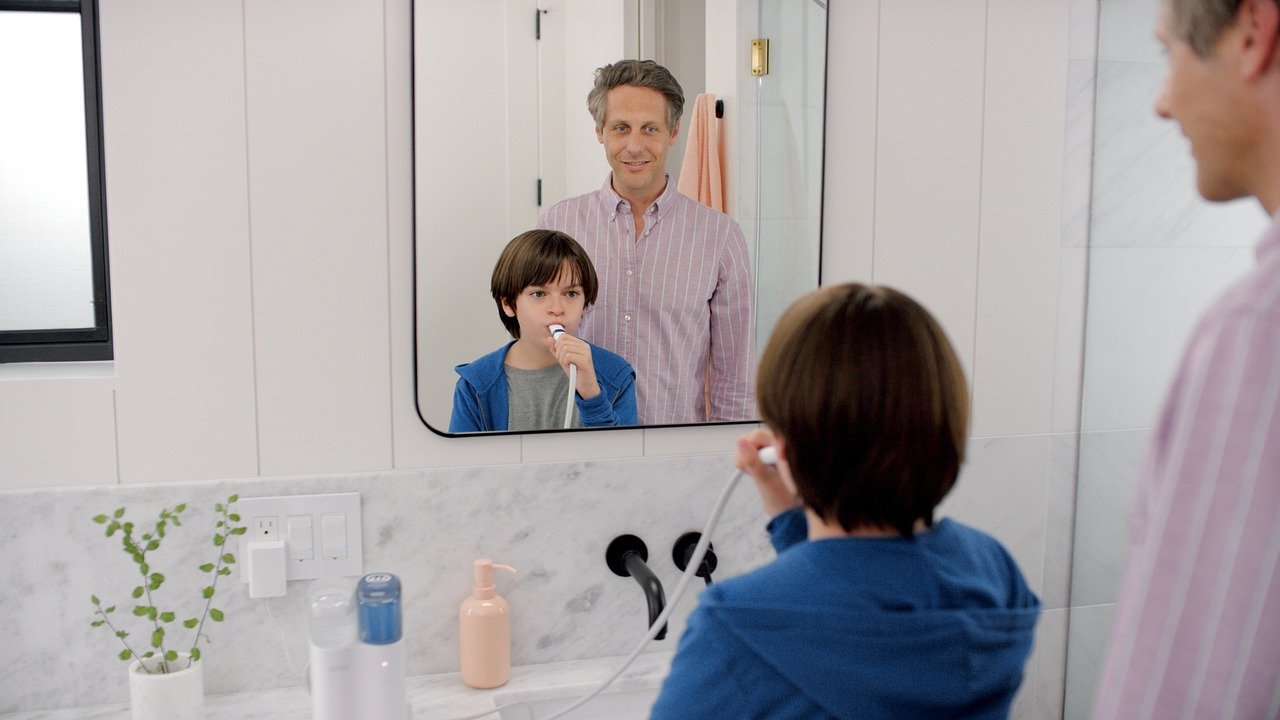

Being a parent is one of the most meaningful responsibilities in life, but it can also be demanding. Parents often spend most of their day taking care of children, managing household responsibilities, completing work tasks, and dealing with everyday problems. In the middle of all these responsibilities, personal time can easily disappear.
Many parents feel guilty when they spend time on themselves. They may think that every free moment should be used for their children or family. However, personal time is not selfish. Parents also need time to rest, think, enjoy their interests, and take care of their own needs. When parents feel refreshed and emotionally balanced, they are often better prepared to support their families.
Learning how to balance family time and personal time does not mean dividing every hour equally. It means creating a healthy routine where family responsibilities are respected while personal needs are not completely ignored. With simple planning and realistic expectations, parents can enjoy meaningful family moments without losing their own identity.
Why Personal Time Matters for Parents
Personal time gives parents an opportunity to step away from their daily responsibilities. Even a short period of quiet time can help reduce stress and improve concentration.
Parents need rest just as much as children do. When someone constantly gives attention to others without taking a break, tiredness can slowly turn into frustration. A parent may become impatient over small things or feel overwhelmed by ordinary household problems.
Personal time can be very simple. It may include reading a few pages of a book, taking a walk, drinking tea quietly, listening to music, exercising, gardening, or talking to a friend. The activity does not have to be expensive or complicated.
The important thing is that the parent feels that some part of the day belongs to them.
Understand That Balance Does Not Mean Perfection
One of the biggest mistakes parents make is expecting perfect balance every day. Family life is not always predictable. Children become sick, work becomes busy, school activities appear unexpectedly, and household problems require attention.
Because of this, parents should think about balance over a longer period rather than judging themselves based on one difficult day.
There may be days when family responsibilities take most of the available time. On another day, a parent may have more opportunity to relax. This is normal.
A healthy balance is flexible. It changes according to the needs of the family and the parent.
Set Realistic Priorities
Parents usually have a long list of responsibilities. Trying to complete everything at the same time can create unnecessary pressure.
Start by identifying the things that truly matter. Family health, children’s important needs, work responsibilities, and essential household tasks should receive proper attention. Other tasks may not need to be completed immediately.
For example, a parent may spend an entire evening cleaning because they believe everything must be perfect. However, if the children need meaningful attention and the parent is already exhausted, it may be better to complete only the most important household tasks and leave the rest for another day.
Learning to separate important tasks from less important ones can create more space for family and personal time.
Create a Simple Daily Routine
A simple routine can make balancing family time and personal time much easier. Parents do not need a complicated schedule. They only need a general structure for the day.
For example, mornings may be used for getting children ready and preparing for work. Afternoon hours may focus on work and school responsibilities. Evening time can include family activities, dinner, and conversations. A short period before bed can be reserved for personal relaxation.
The exact schedule will be different for every family. What matters is creating a routine that is practical rather than unrealistic.
When parents know when they are likely to have personal time, they are more likely to protect it.
Make Family Time Meaningful
Family time does not always need to last for several hours. What matters more is the quality of the time spent together.
Parents can have meaningful conversations with their children during dinner, take a short evening walk, play a simple game, read together, or prepare a meal as a family.
During these moments, try to give children full attention. Put away unnecessary distractions and listen to what they have to say.
A short period of focused family time can sometimes be more valuable than spending an entire evening together while everyone is distracted by phones, television, or other activities.
Schedule Personal Time Without Guilt
Some parents wait until every family responsibility is finished before taking time for themselves. Unfortunately, there is almost always another task waiting.
Instead of waiting for a completely free day, parents can schedule small periods of personal time.
For example, twenty minutes in the morning can be used for exercise or reading. Thirty minutes after the children go to bed can be used for a favorite hobby. A weekend morning may provide an opportunity to enjoy a longer activity.
Treating personal time as part of the routine makes it easier to maintain.
Parents should also remember that taking care of themselves does not mean they care less about their families.
Share Responsibilities at Home
Balancing family time and personal time becomes much easier when household responsibilities are shared.
Parents should not feel that one person has to manage everything. Depending on the age of the children, children can also take part in simple household responsibilities.
Young children may put away their toys. Older children can help with dishes, laundry, organizing rooms, or other suitable tasks. Partners can also divide household responsibilities according to their schedules and abilities.
Sharing responsibilities creates a stronger sense of teamwork and gives each family member an opportunity to contribute.
Teach Children to Respect Personal Space
Children need attention and affection, but they can also learn that parents sometimes need quiet time.
Parents can explain this in a simple and positive way. For example, a parent might tell a child that they are going to read for twenty minutes and will spend time together afterward.
This teaches children that personal boundaries are normal.
As children grow older, they can gradually understand that every family member has individual interests and needs. This lesson can also help children develop respect for the personal space of others.
Avoid Filling Every Free Moment
Modern family life can become extremely busy. School activities, work, appointments, shopping, social events, household tasks, and entertainment can quickly fill the calendar.
Parents should leave some empty space in their schedules.
Free time does not always need to have a purpose. Sitting quietly, having a cup of tea, taking a slow walk, or simply doing nothing for a short period can be valuable.
An overplanned schedule can make both parents and children feel tired. Leaving room for rest can make family life calmer.
Use Weekends Wisely
Weekends can provide an excellent opportunity to balance family time and personal time. However, parents sometimes fill the entire weekend with errands and activities.
Instead, consider dividing the weekend into different types of time.
Some hours can be dedicated to family activities. Another period can be used for personal interests. Some time can be reserved for household tasks, while another part of the day can remain completely free.
Families can also create simple weekend traditions such as having breakfast together, visiting a local park, cooking a favorite meal, or watching a family movie.
Personal time can happen before or after these activities.

Make Time for Hobbies
Parents often stop doing things they enjoyed before having children. While responsibilities naturally change after becoming a parent, hobbies can still have an important place in adult life.
A hobby gives the mind something enjoyable to focus on. Reading, cooking, painting, photography, gardening, writing, walking, music, or learning a new skill can all provide personal satisfaction.
The hobby does not need to become a major project. Even fifteen or thirty minutes several times a week can make a difference.
Keeping personal interests alive can also help parents maintain a sense of identity outside their parenting role.
Protect Sleep and Rest
Personal time should not always come at the expense of sleep.
Some parents stay awake late at night because it is the only quiet time available. While occasional late nights may be understandable, regularly sacrificing sleep can leave a person exhausted.
Rest should be considered an important part of personal care.
Parents can look for small periods during the day to relax instead of depending entirely on late night hours. When possible, maintaining a consistent sleep routine can also support better energy and patience during the day.
Limit Unnecessary Screen Time
Phones and social media can consume a surprising amount of free time. A parent may think they are taking a short break but end up spending much longer scrolling.
Reducing unnecessary screen use can create additional time for both family and personal activities.
For example, a parent might choose to keep the phone away during family meals. Another option is to set a specific period for checking social media instead of opening apps repeatedly throughout the day.
This does not mean technology must be completely avoided. It simply means using it intentionally.
Learn to Say No
Parents sometimes accept too many commitments because they do not want to disappoint others.
They may agree to every social invitation, volunteer for every activity, or take responsibility for tasks that could be handled by someone else.
Learning to say no politely can protect valuable time.
Before accepting a new responsibility, ask whether it is genuinely necessary and whether it fits into the current schedule. Saying no to one unnecessary commitment may create space for rest, family conversations, or personal interests.
Communicate With Your Partner
If both parents are involved in raising children, communication is essential.
Partners should discuss their schedules, responsibilities, and personal needs. Instead of assuming that the other person understands what is needed, speak openly about it.
For example, one parent may need an hour on Saturday afternoon for exercise while the other parent takes care of the children. The following day, the arrangement can be reversed.
This kind of cooperation can create fairness and reduce resentment.
Create Small Moments of Personal Time
Personal time does not always require a completely free afternoon.
Parents can find small opportunities throughout the day. Five minutes of quiet breathing in the morning, a short walk during lunch, reading while children are engaged in an activity, or enjoying tea without distractions can all provide a mental break.
These small moments may seem insignificant, but they can become valuable when practiced regularly.
The goal is not to escape family life. The goal is to create small opportunities to recharge while remaining connected to the family.
Avoid Comparing Your Family With Others
Every family has different schedules, responsibilities, financial situations, personalities, and needs.
Social media can make it appear that other parents have perfect routines where family life, work, exercise, hobbies, and relaxation all fit together effortlessly.
Real life is usually more complicated.
Parents should create a routine that works for their own family rather than copying someone else’s lifestyle. What works for one household may not work for another.
A practical routine that feels comfortable is better than a perfect looking routine that creates stress.
Be Present During Family Time
Balancing time is not only about counting hours. Being emotionally present is equally important.
When spending time with children, try to listen carefully and participate in conversations. Ask about their day. Show interest in their ideas. Play with them when possible.
Children often remember simple moments of attention more than expensive activities.
At the same time, when personal time begins, parents should allow themselves to enjoy it without constantly feeling guilty. Being present in personal time can make rest more effective.
Adjust the Routine as Children Grow
Family needs change over time. A routine that works with a toddler may not work when children enter school. Older children may become more independent, which can create new opportunities for parents.
Parents should review their schedules from time to time and make changes when necessary.
As children become more independent, parents can gradually give them more responsibility. This can help children develop useful life skills while also giving parents additional time.
Balance is therefore an ongoing process rather than a single plan.
Focus on Quality Instead of Quantity
Parents sometimes worry that they are not spending enough hours with their children. However, the number of hours alone does not determine the quality of a relationship.
A parent who spends one focused hour talking, playing, reading, or walking with a child may create a stronger connection than a parent who spends several distracted hours nearby.
Quality family time should include attention, conversation, affection, and shared experiences.
This understanding can also reduce parental guilt and make it easier to protect some personal time.
Take Care of Your Emotional Well Being
Parents should pay attention to how they feel emotionally. Constant exhaustion, irritability, lack of motivation, or feeling overwhelmed may be signs that the current routine needs adjustment.
Talking to a trusted person can sometimes help. A partner, friend, family member, or professional can provide support and a different perspective.
Parents do not have to handle every challenge alone.
Taking emotional needs seriously is part of building a healthy family environment.
A Simple Approach to Better Balance
Parents who want to improve their balance can begin with a few simple steps.
First, identify the most important family responsibilities.
Second, identify one or two activities that provide personal enjoyment or relaxation.
Third, choose realistic times for both family and personal activities.
Fourth, share household responsibilities whenever possible.
Fifth, protect the routine but remain flexible when unexpected situations happen.
Finally, review the routine regularly and make changes when it no longer works.
Small changes are often easier to maintain than dramatic changes.
Final Thoughts
Learning how to balance family time and personal time is an important part of healthy family life. Parents have many responsibilities, but they also have personal needs that deserve attention.
Family time helps build connection, trust, and lasting memories. Personal time helps parents rest, maintain their interests, and protect their emotional energy. These two areas do not have to compete with each other.
The best approach is to create a flexible routine that gives both family and personal needs a reasonable place. Parents can share responsibilities, set boundaries, reduce unnecessary commitments, protect their sleep, and make family moments more meaningful.
Most importantly, parents should remember that taking care of themselves is not a sign of selfishness. A parent who has time to rest and recharge is often better able to listen, support, guide, and enjoy time with their children.
There is no perfect schedule for every family. The right balance is the one that helps your household feel connected, calm, and manageable. By making small and consistent changes, parents can enjoy meaningful family relationships while still making room for themselves.